

Imagine you’re standing on the edge of a bustling stock exchange floor. The air is thick with anticipation as traders shout orders, and the ticker tape runs relentlessly. Amidst the chaos, one number stands out: the volume. It’s not just a statistic; it’s the heartbeat of the market, reflecting the intensity of buying and selling activity. Understanding volume is akin to learning the language of the market, enabling traders to decipher its movements and make informed decisions.
Table of Contents
What Is Volume in the Stock Market?
In the Indian stock market, volume refers to the total number of shares traded (bought and sold) of a particular stock, index, or security during a specific trading session. It represents market activity and shows how actively investors are participating in that stock or segment.

For example, if 10 lakh shares of Reliance Industries are traded on the NSE (National Stock Exchange) in one day, then the trading volume of Reliance for that day is 10 lakh shares.
How to Read Volume Data on Stock Charts:
In the Indian stock market, volume data on stock charts is shown as vertical bars below the price chart on platforms like NSE, BSE, Zerodha, or Groww. Each bar represents the number of shares traded during a specific time frame.
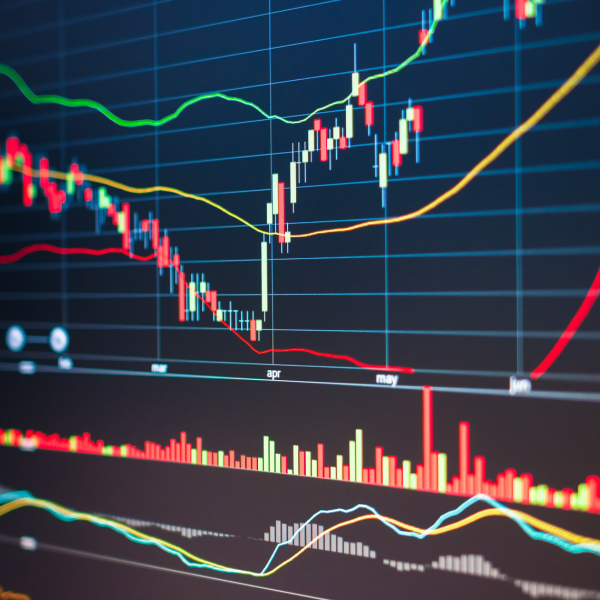
A tall green bar indicates strong buying activity (bullish), while a red bar shows high selling pressure (bearish). Traders compare current volume with the average volume to confirm price trends — rising prices with high volume suggest strong momentum, while falling or low volume may signal weak market participation or a potential reversal.
Why Trading Volume Is Important:
Trading volume is crucial in the Indian stock market because it reflects investor participation and market liquidity. High trading volume indicates strong interest and confidence in a stock, confirming the strength of price movements on exchanges like NSE and BSE.
For example, when large-cap stocks such as Reliance Industries or Infosys show rising prices with heavy volume, it signals bullish sentiment and trend confirmation. Conversely, low volume may indicate weak momentum or lack of investor conviction. By analyzing volume, Indian traders can identify genuine breakouts, reversals, and potential opportunities with greater accuracy.
Types of Volume Indicators Used in Technical Analysis:
Several volume-based indicators assist traders in analyzing market activity:
- On-Balance Volume (OBV): Measures cumulative buying and selling pressure by adding volume on up days and subtracting on down days.
- Accumulation/Distribution Line: Combines price and volume to show how much of a security is being accumulated or distributed.
- Volume Moving Average (VMA): Smooths out volume data to identify trends and anomalies.
- Volume-Weighted Average Price (VWAP): Calculates the average price a security has traded at throughout the day, based on both volume and price.
These indicators help traders assess market sentiment and make informed decisions.
How Traders Use Volume in Decision-Making:
Traders incorporate volume analysis into their strategies in various ways:
- Confirming Trends: An uptrend accompanied by increasing volume suggests strong buying interest, while a downtrend with rising volume indicates growing selling pressure.
- Identifying Breakouts: A breakout above resistance with high volume can signal the start of a new upward trend.
- Spotting Reversals: A price reversal on high volume may indicate a change in market direction.
- Avoiding False Signals: Low volume during a price move may suggest a lack of conviction, prompting traders to be cautious.
Volume vs Price – Comparison Table
| Feature | Volume | Price |
|---|---|---|
| Definition | Total shares/contracts traded in a period | Current value of a stock/security |
| Indicates | Market activity and interest | Market valuation and trend direction |
| Trend Confirmation | High volume confirms price movements | Price movement shows trend direction |
| Use in Trading | Detect breakouts, reversals, and strength | Entry/exit points, support/resistance |
| Measurement | Number of shares/contracts traded | Monetary value per share |
Volume Analysis in Different Market Phases:
Volume analysis varies across different market phases:
- Bull Markets: High volume during rallies confirms strong buying interest, while volume spikes during corrections may indicate panic selling.
- Bear Markets: Rising volume during declines suggests increasing selling pressure, while volume surges during rallies may indicate short-covering.
- Sideways Markets: Volume analysis helps identify breakout points and potential trend changes.
Understanding volume in these contexts enables traders to adapt their strategies to prevailing market conditions.
Common Mistakes Traders Make with Volume Analysis:

Traders often fall into several pitfalls when analyzing volume:
- Ignoring Context: Focusing solely on volume without considering price action can lead to misinterpretations.
- Overreacting to Volume Spikes: Not all volume surges indicate significant market moves; it’s essential to assess the broader context.
- Neglecting Other Indicators: Relying solely on volume without considering other technical indicators can result in incomplete analyses.
Avoiding these mistakes enhances the effectiveness of volume analysis in trading strategies.
FAQs – Volume in the Stock Market
Q1: What does volume mean in the stock market?
👉Volume in the stock market refers to the total number of shares or contracts traded for a particular stock during a given time frame, typically a day. It shows how actively a stock is being bought and sold.
Q2: Why is trading volume important?
👉Trading volume helps confirm the strength of price movements. A rise in price with high volume indicates strong buying interest, while low volume may signal weak participation or potential reversals.
Q3: How do traders use volume to make decisions?
👉Traders use volume to confirm trends, identify breakouts, and detect reversals. Increasing volume during a price rise suggests sustained momentum, while falling volume can indicate trend exhaustion.
Q4: What is a good volume in stocks?
👉There is no fixed number, but generally, higher trading volume means better liquidity and easier entry and exit for traders. Popular stocks on exchanges like NSE or BSE often have millions of shares traded daily.
Q5: How does volume affect stock prices?
👉When volume increases, it shows higher market interest, often leading to larger price movements. Conversely, low volume may result in smaller, less reliable price changes.
Conclusion:
Volume is more than just a number; it’s a vital indicator that reflects the market’s pulse. By understanding and analyzing volume, traders can gain insights into market sentiment, confirm trends, and make informed decisions. Remember, volume analysis is most effective when combined with other technical indicators and a solid trading plan.
Are you ready to harness the power of volume in your trading journey?


