Bitcoin has become one of the most talked-about financial assets of the 21st century. For investors who want to know What Is Bitcoin? A Beginner’s Guide to the World’s First Cryptocurrency, this digital asset represents something entirely new — a decentralized form of money running on a distributed network instead of central banks or governments. Since its inception in 2009, Bitcoin’s role has evolved from an obscure tech experiment to a globally recognized store of value and investment vehicle, attracting individuals, funds, and even corporations. According to multiple estimates, around 480–500 million people worldwide own Bitcoin today, highlighting its broad reach across investors and savers alike.
Table of Contents
What Is Bitcoin and Why Was It Created?
Bitcoin is a digital currency — often referred to as the world’s first cryptocurrency — invented to allow people to send and receive value peer-to-peer without relying on central entities like banks. It was designed to fix long-standing problems in the traditional financial system, such as the need for trusted third parties and opaque settlement processes.
The idea was remarkably simple: an open network where transactions are publicly recorded, verifiable, and secured using advanced cryptography. This innovation became foundational to all cryptocurrencies that followed.
How Bitcoin Works: Blockchain, Mining, and Decentralization Explained
At the core of Bitcoin is the blockchain — a decentralized digital ledger. Every Bitcoin transaction gets grouped into a block, which is then cryptographically linked to the previous block, forming a continuous chain that anyone can audit. It’s this structure that enables trust without intermediaries.
Mining is Bitcoin’s mechanism for validating transactions and adding new blocks. Miners use specialized computers to solve complex mathematical puzzles. The first miner to solve the puzzle adds a new block and earns freshly minted Bitcoin as a reward. Because thousands of computers across the world participate — none under a single authority — Bitcoin remains decentralized and resistant to censorship or control by any single entity.
This decentralized nature distinguishes Bitcoin from traditional financial systems. Banks and central authorities centrally manage and record transactions, whereas Bitcoin’s governance is distributed among participants globally, democratizing access and control.
Who Invented Bitcoin? The Story of Satoshi Nakamoto
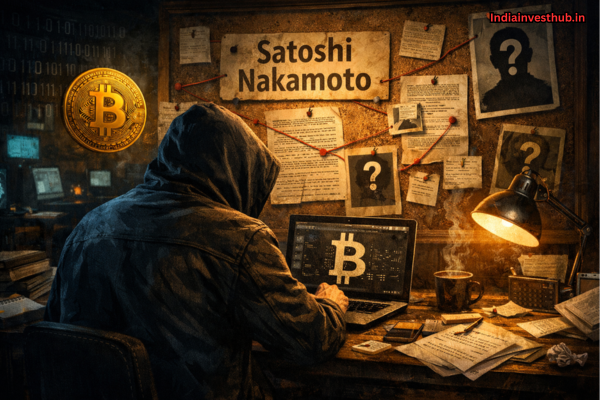
The creator of Bitcoin is known by the pseudonym Satoshi Nakamoto, a mysterious figure or group who published the Bitcoin whitepaper in 2008. Nakamoto’s invention wasn’t just a new currency; it was the first working implementation of blockchain technology. Nakamoto released Bitcoin’s initial software in 2009 and continued contributing until about 2010, after which they disappeared from public view, leaving the project in the hands of the wider community.
To this day, Nakamoto’s true identity remains unknown, though speculation persists. What is known is that the early vision catalyzed a movement now driving innovation in digital finance worldwide.
How Do Bitcoin Transactions Work? Public Keys, Private Keys, and Wallets
For investors, understanding how Bitcoin transactions work is essential. Every Bitcoin user has two unique cryptographic keys:
- Public Key: Think of this like your bank account number — it’s safe to share and is used to receive Bitcoin.
- Private Key: This is a secret code that proves ownership of the Bitcoin and allows you to send funds.
When you send Bitcoin, your private key signs the transaction, and miners confirm it on the blockchain. The process is transparent but secure — only someone with access to the private key can authorize a transfer.
To manage these keys, investors use wallets — digital apps or physical hardware tools that store private keys securely. Wallets vary in design, but the key goal is protecting your access to Bitcoin from theft or loss.
How to Buy, Sell, and Store Bitcoin Safely as a Beginner:

Getting started with Bitcoin requires choosing trustworthy platforms:
Buying and Selling:
Investors commonly use cryptocurrency exchanges — digital marketplaces that let you buy Bitcoin with fiat currency or other digital assets. Choose exchanges that are regulated, transparent about fees, and provide strong account protection.
Storing Bitcoin Safely:
Once you buy Bitcoin, it should be stored securely. Beginners often start with software wallets that can be accessed via mobile or desktop. For larger holdings or long-term storage, many investors use hardware wallets — physical devices that store your private keys offline, making them less prone to hacking.
Security best practices include using two-factor authentication, backing up wallet keys, and keeping devices updated.
Why Does Bitcoin Have Value? Scarcity, Demand, and Digital Gold Theory
Bitcoin’s value isn’t backed by gold or government decree — its value emerges from scarcity and demand. Only 21 million Bitcoins will ever exist, a limit hard-coded into its protocol. This scarcity is enforced through what’s known as “halving” events, where the reward for mining new Bitcoin gets cut roughly every four years, slowing the pace of new supply entering the market.
Because of this capped supply and increasing demand, many investors see Bitcoin as “digital gold” — a store of value that protects purchasing power over time. Bitcoin’s maturity as a global digital asset is also reflected in how long-term holders behave: in 2025, it was reported that around 72% of all Bitcoin supply had remained unmoved for over a year, signaling confidence among holders.
Is Bitcoin Legal and Safe to Use? Security, Hacks, and Regulation
Bitcoin’s legal status varies across countries. Many major economies allow Bitcoin trading and ownership, while some impose strict regulations or bans. In certain jurisdictions, Bitcoin is recognized as property or an investment asset. Investors should verify the legal and tax implications in their home countries before buying.
Security is also crucial: while the Bitcoin protocol itself hasn’t been compromised, exchanges and wallets have been targeted by hackers in the past. Strong personal security practices — like hardware wallets or reputable custodial services — help mitigate risk.
Even with growing adoption, some central banks remain cautious about Bitcoin’s integration into traditional finance due to concerns about volatility and financial stability.
Bitcoin vs Traditional Money: Key Differences You Should Know
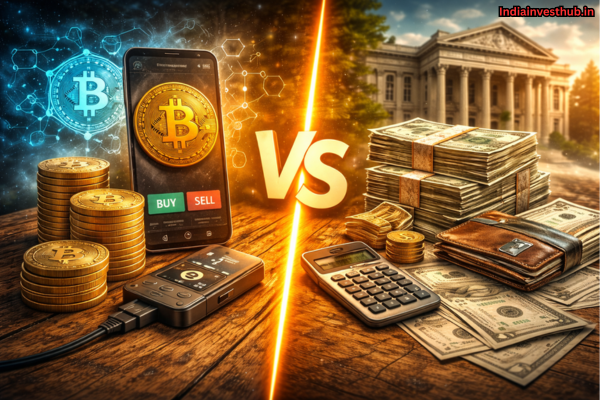
Bitcoin differs from traditional money in several ways:
- Decentralization: No central authority controls it, unlike fiat currencies.
- Transparency: Blockchain transactions are publicly verifiable.
- Limited Supply: Bitcoin’s capped number of coins contrasts with fiat currencies, which can be printed in unlimited quantities.
- Borderless: Transactions can be sent globally without needing currency conversion or traditional bank networks.
Traditional money is backed by governments and accepted as legal tender for taxes and public services — advantages Bitcoin lacks. Yet Bitcoin’s autonomy and deflationary design attract investors seeking alternatives to inflationary fiat systems.
Risks of Investing in Bitcoin: Volatility, Scams, and Market Uncertainty
Investing in Bitcoin carries real risks. Price volatility is notorious — Bitcoin’s value can swing widely in short periods. Scams and fraudulent schemes exist, especially in decentralized finance and unregulated tokens. Regulatory shifts can also impact market sentiment and accessibility.
Education and risk management are essential for investors. Allocating only what one can afford to lose and diversifying one’s overall portfolio are smart strategies for navigating uncertainty.
Should You Invest in Bitcoin? Tips for Beginners and Risk Management
If you’re considering Bitcoin as part of your investment strategy, start with these principles:
- Educate Yourself: Understand how Bitcoin works and the risks involved.
- Use Reputable Platforms: Choose trustworthy exchanges and wallets.
- Start Small: Test the waters before making large allocations.
- Diversify: Don’t invest all your capital in a single asset.
Bitcoin may serve a role as part of a diversified investment portfolio, but it should be approached with caution and strategic planning.
FAQs – Bitcoin
Q1: Is Bitcoin a good investment?
👉It depends on your risk tolerance and investment horizon.
Q2: Can Bitcoin be hacked?
👉The blockchain is secure, but exchanges and wallets can be vulnerable if not properly protected.
Q3: Do I need technical skills to invest in Bitcoin?
👉No — user-friendly platforms and education resources make it accessible for beginners.
Conclusion:
Bitcoin represents more than just digital money — it’s a financial innovation that challenges traditional systems and offers investors a new asset class with unique properties. From understanding what Bitcoin is and how it works to grasping its decentralized design, scarcity-driven value proposition, and risks, investors equipped with knowledge can make thoughtful decisions. With global ownership expanding into the hundreds of millions and businesses adding Bitcoin to their balance sheets, its role in the financial landscape continues to evolve.
Are you ready to evaluate Bitcoin with a strategic, educated approach that aligns with your investment goals?