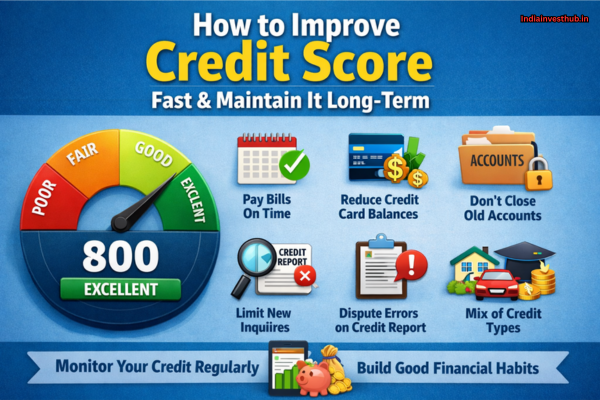
Whether you’re applying for a loan, a credit card, or even planning a big purchase in the future, one number quietly plays a major role in the decision-making process — your credit score. Many people only start paying attention to it when a loan gets delayed, rejected, or approved at a higher interest rate than expected. By then, it often feels confusing and stressful.
In today’s financial system, banks and lenders rely heavily on credit scores to judge how trustworthy a borrower is. A strong score can open doors to faster approvals, lower interest rates, and better financial opportunities, while a weak score can limit your options and increase borrowing costs. Despite its importance, credit score concepts like range, calculation, and impact are still unclear to many individuals.
This article helps you understand the range of credit scores, why they matter so much in real life, how lenders actually use them, and how the system works behind the scenes. If you want to make smarter financial decisions and avoid surprises during loan or credit card applications, understanding credit scores is an essential first step.
Table of Contents
What Is a Credit Score?
Credit Score is a three-digit number that represents your creditworthiness—basically, how trustworthy you are when it comes to borrowing and repaying money. Banks and financial institutions use this score to decide whether to lend you money, how much to lend, and at what interest rate.
Your credit score is generated by credit bureaus based on your past and current credit behavior. In India, major credit bureaus include CIBIL (TransUnion CIBIL), Experian, Equifax, and CRIF High Mark.
Simply put:
- Higher credit score = lower risk for the bank
- Lower credit score = higher risk for the bank
This single number summarizes years of financial behavior.
Credit Score Range Explained: What Is a Good or Bad Score?
Credit Score usually falls within a fixed range.
In India, the most common range (CIBIL) is:
- 300 to 900
Here’s how lenders generally interpret it:
- 750–900: Excellent score (best loan terms)
- 700–749: Good score (easy approvals)
- 650–699: Fair score (higher interest rates)
- 600–649: Poor score (approval difficult)
- Below 600: Very risky (high rejection chances)
According to TransUnion CIBIL reports, borrowers with a score above 750 receive the lowest interest rates and fastest approvals, while scores below 650 often trigger manual review or rejection.
How Is a Credit Score Calculated? Key Factors Explained
Credit Score is not random. It is calculated using specific factors, each carrying different weight.
The main components include:
Payment History:
Late payments, missed EMIs, or defaults heavily damage your score. Even one missed payment can stay on your credit report for years.
Credit Utilization:
Using too much of your available credit limit (especially credit cards) signals risk. Experts recommend keeping usage below 30%.
Credit History Length:
Older credit accounts improve score because they show long-term repayment behavior.
Credit Mix:
A healthy mix of secured loans (home loan, car loan) and unsecured credit (credit cards, personal loans) improves credibility.
Credit Enquiries:
Too many loan or card applications in a short period lower your score temporarily.
According to Experian India, payment behavior alone contributes nearly 35–40% of your total credit score.
Why Is Credit Score Important for Loans and Credit Cards?

Credit Score plays a central role in almost every borrowing decision.
Banks use it to:
- Decide loan approval or rejection
- Set interest rates
- Determine loan amount
- Fix repayment tenure
A strong score tells lenders that you are reliable and disciplined. A weak score makes them cautious, even if your income is high.
This is why two people with the same salary can receive very different loan offers.
Credit Card Hacks: Maximizing Rewards and Minimizing Risk
Minimum Credit Score Required for Loans in India:
Credit Score requirements vary by loan type.
General expectations:
- Home Loan: 700–750+
- Car Loan: 680–750+
- Personal Loan: 700–750+
- Credit Card: 700+
According to RBI and bank disclosures, applicants below these thresholds face either rejection or higher interest rates.
Can a Low Credit Score Stop You from Getting a Home Loan in India?
Credit Score vs CIBIL Score: Are They the Same?
Credit Score is a general term, while CIBIL Score is a specific score provided by TransUnion CIBIL.
Key difference:
- Credit score = concept
- CIBIL score = one type of credit score
All CIBIL scores are credit scores, but not all credit scores are CIBIL scores. Banks in India mostly rely on CIBIL, but they may also check Experian or Equifax data.
How Credit Score Affects Interest Rates and Loan Approval:
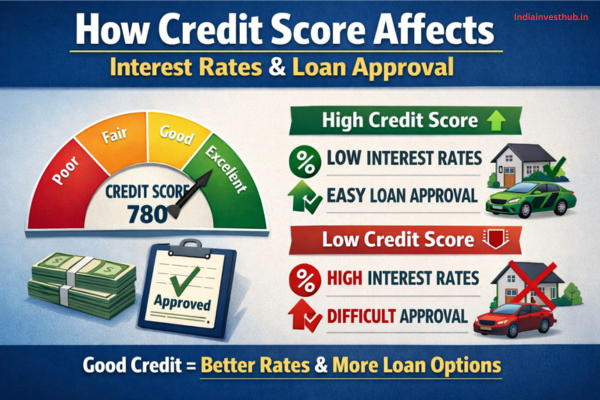
Credit Score directly impacts how much extra money you pay over time.
Example:
- Borrower A (Score 780): Car loan at 8.5%
- Borrower B (Score 650): Car loan at 12.5%
Over 5 years, Borrower B may pay ₹1–2 lakh more in interest for the same loan amount.
This is why improving your credit score even slightly can lead to major savings.
How to Check Credit Score Online for Free:
Credit Score can be checked free of cost.
Most credit bureaus allow:
- One free credit report per year
- Instant online access
You need:
- PAN card
- Mobile number
- Basic personal details
Checking your own score does not reduce it. In fact, regular monitoring helps detect errors early.
Common Mistakes That Lower Your Credit Score:
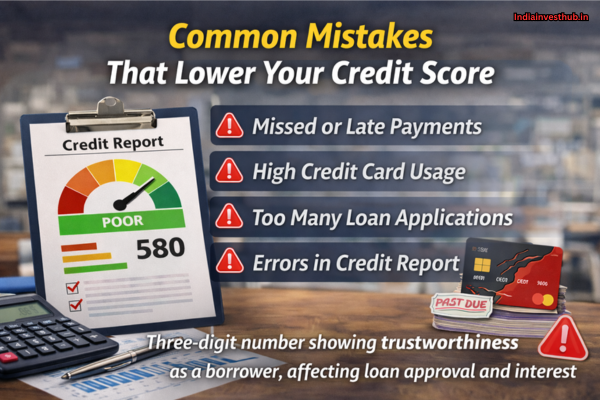
Credit Score often drops due to simple, avoidable mistakes:
- Missing EMI or credit card payments
- Using too much credit limit
- Applying for many loans at once
- Closing old credit cards unnecessarily
- Ignoring errors in credit report
According to CIBIL, late payments are the single biggest reason for score decline in India.
FAQs – Credit Score
Q1: Does checking credit score reduce it?
👉No, self-checks do not affect your score.
Q2: How long does it take to improve credit score?
👉3–6 months of disciplined repayment can show improvement.
Q3: Can I get a loan with low credit score?
👉Yes, but at higher interest rates or with a co-applicant.
Q4: Does salary affect credit score?
👉No, repayment behavior matters more than income.
Q5: Is credit score permanent?
👉No, it changes with your financial behavior.
Conclusion:
Credit Score is not just a number—it’s a financial reputation built quietly through everyday habits. Paying bills on time, using credit responsibly, and avoiding unnecessary debt can open doors to faster approvals, lower interest rates, and better financial opportunities. The good part is that credit score is completely within your control, and even small changes can make a big difference over time.
So before your next loan or credit card application, ask yourself—are you actively building a strong credit score, or leaving your financial future to chance?