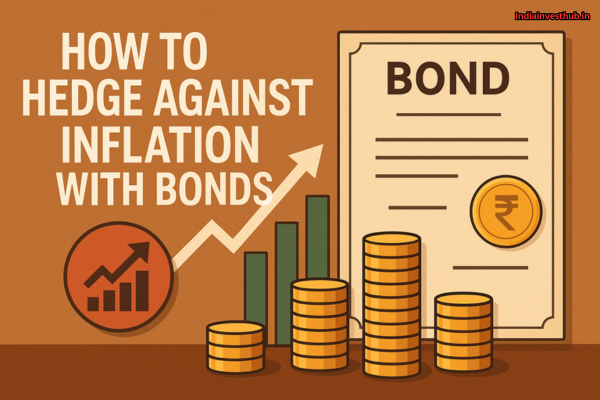
Government Bonds are a popular way for investors wanting safety and stable returns to invest their money. Essentially, when you buy a government bond, you are lending money to the government, and in return the government promises to pay you periodic interest (coupon) and return your principal when the bond matures. Over time, government borrowing through bonds has become a central part of global finance: sovereign-debt markets across the world are now estimated at around USD 100 trillion — nearly the size of the global economy itself.
What Are Government Bonds?
A government bond is a form of debt security where an investor lends money to a sovereign government. The government issues these bonds to raise capital for public spending — infrastructure, social programs, debt servicing, etc. In return, the investor receives interest (coupon payments) at a predetermined rate (fixed or sometimes floating) and gets back the invested principal when the bond matures.
Because the issuer is the government, these bonds carry a sovereign guarantee, which makes them among the lowest-risk debt instruments in the market.
Globally, sovereign bonds account for the majority share of all outstanding debt securities. Since 2020, governments have been the largest borrowers in global bond markets — by end-March 2025, government bonds reportedly made up over 52% of the world’s total debt securities outstanding.
What Are Corporate Bonds?
How Do Government Bonds Work?
When a government decides to borrow money, it issues bonds with defined terms: face value (principal), coupon rate, and maturity date. As an investor, you buy the bond (either at issuance or on secondary markets). You get paid regular interest (usually semi-annually or annually), and at maturity you receive your principal back.
The coupon rate can be fixed (same interest throughout) or floating (varies as per benchmark interest rates or economic indicators).
The market price of bonds can fluctuate depending on changes in interest rates, inflation expectations, and supply-demand dynamics. If you sell the bond before maturity, the price you get may be more or less than what you paid.
Types of Government Bonds in India:
In India, investors have a variety of government bonds to choose from, suited for different time horizons and risk preferences.
- Fixed-Rate Bonds: These offer a fixed interest rate throughout the life of the bond. Popular and widely issued.
- Floating-Rate Bonds (FRBs): Interest rate is reset periodically (e.g., every six months) based on a benchmark — useful if you expect interest rates to rise.
- Short-Term Securities (Treasury Bills / T-Bills): Maturity less than one year; good for short-term parking of funds.
- Long-Term Dated Securities: Bonds with maturity of several years (even decades), suitable for long-term goals like retirement or child’s education.
- Inflation-Indexed Bonds & Other Variants: Some bonds are linked to inflation or have special features to protect purchasing power.
Benefits of Investing in Government Bonds for Beginners:
- Safety and Sovereign Guarantee: Since bonds are issued by the government, default risk is minimal compared to corporate bonds or equities.
- Stable and Predictable Income: Fixed coupons — either fixed or floating — offer reliable periodic income, ideal for conservative investors or retirees.
- Diversification: Bonds behave differently from equities; combining both in a portfolio can reduce overall volatility and risk.
- Competitive Yields vs Bank FDs / Fixed Deposits: For instance, as of 2025, floating-rate savings bonds from the Reserve Bank of India (RBI) offer about 8.05% per annum — often higher than traditional bank fixed deposits.
- Liquidity (for many bonds): Many government bonds (especially those traded on secondary markets) can be sold before maturity — offering more flexibility than fixed-term bank deposits.
Risks Involved in Government Bonds You Should Know:
While government bonds are among the safest investment instruments, they are not entirely risk-free. Some factors investors should consider:
- Interest Rate Risk: If you buy a bond and then interest rates rise globally (or within India), the market value of your bond may fall — potentially leading to a capital loss if you sell before maturity.
- Inflation Risk: Fixed-rate bonds pay the same interest over years. If inflation rises sharply, real returns (after adjusting for inflation) may be modest — reducing purchasing power. This risk is more significant for long-term bonds.
- Liquidity Risk in Some Bonds: Though many government bonds are traded, not all may have high liquidity — especially lesser-known or very long-dated bonds. Selling them before maturity might be difficult or may fetch a lower price.
- Tax Treatment: Interest from government bonds in India is taxed as “Income from Other Sources,” at the investor’s slab rate.
Government Bonds vs Corporate Bonds: Which One Is Safer?
When comparing government bonds with corporate bonds, the safety and risk-return tradeoff is stark:
- Issuer: Government bonds are issued by a sovereign entity (virtually no default risk), while corporate bonds are issued by companies whose financial health can vary.
- Risk Level: Government bonds are among the lowest-risk instruments — suitable for conservative investors. Corporate bonds carry higher risk (credit risk, business risk), though they may offer higher yields.
- Return Potential: Corporate bonds might offer higher interest rates (especially high-yield ones), but with added risk. Government bonds offer moderate but stable returns.
- Suitability: For investors prioritising capital preservation and steady income — especially beginners — government bonds are generally safer than corporate bonds.
Who Should Invest in Government Bonds? Ideal Investor Profile
Government bonds are well-suited for:
- New investors or conservative investors who want to preserve capital and earn stable income without the high volatility of equities.
- Retirees or income-focused investors seeking periodic interest income instead of risking capital in equity markets.
- Investors building a diversified portfolio — mixing bonds with equities or other assets to balance risk-return, especially during volatile market cycles.
- Goal-based investors with medium to long-term horizons (e.g., 5–30 years) who prefer assurance over high returns.
- Risk-averse savers who value safety over aggressive growth.
How to Buy Government Bonds in India:
Investing in government bonds in India has become easier for retail investors. Key steps:
- Direct Investment via Platforms: The government (through the RBI) offers a “retail direct” platform where individuals can bid in primary auctions.
- Secondary Market via Brokers / Exchanges: Many government securities are listed and tradable — investors can buy through their brokers, similar to how they trade stocks.
- Choose Bond Type and Tenor: Depending on whether you want short-term liquidity (T-bills), medium-term income, or long-term holdings, pick appropriate bonds (fixed-rate, floating-rate, etc.).
- Minimum Investment & Demat Account: Typically there is a minimum bid size if buying newly — but through secondary market, you can buy smaller lots depending on liquidity and market availability.
- Check Yield, Coupon Rate, Maturity, Risk Factors: Always review the coupon rate, maturity period, and market conditions before investing.
Government Bond Taxation: How Much Tax Will You Pay?
In India, interest income from government bonds is categorized under “Income from Other Sources.” This means:
- The interest you earn is taxed at your applicable income-tax slab rate.
- There is no special lower tax rate — so the after-tax return depends on where you fall in the tax bracket.
- If you sell the bond before maturity at a price different from purchase price, capital gains tax rules may apply (depending on duration and type of bond).
Are Government Bonds a Good Investment in 2025? Expert Insights
Given the current economic environment, government bonds remain a compelling choice for many investors in 2025. The yield on the 10-year government bond in India recently eased to around 6.50% (as of November 2025) — still an attractive option compared with many fixed-income alternatives.
For investors seeking stability amidst market volatility — whether due to global economic uncertainty or equity market swings — government bonds offer a safe harbour. Additionally, for those who want predictable income (for retirement or other financial goals), fixed or floating-rate government bonds provide clarity and less risk compared to equities or corporate bonds.
However — as with all investments — suitability depends on your financial goals, time horizon, tax bracket, and risk tolerance.
FAQs — Government Bonds
Q1: Are government bonds risk-free?
👉While no investment is 100% risk-free, government bonds are among the safest available because they are backed by the sovereign — risk of default is extremely low compared to corporate bonds or equities.
Q2: When will I get returns from government bonds?
👉Returns come as periodic coupon payments (fixed or floating) and the principal is returned at maturity. If you hold till maturity, your returns are more predictable.
Q3: Can I sell bonds before maturity?
👉Yes — many government bonds are tradable on secondary markets, offering liquidity. But price at sale may fluctuate depending on interest rates and market demand.
Q4: How do government bonds compare with bank fixed deposits (FDs)?
👉Government bonds often offer yields similar or better than FDs, with added advantages like liquidity and tradability.
Q5: Who should avoid investing in government bonds?
👉If you are seeking high returns over short periods or are comfortable with higher risk for higher returns (e.g., equity investors), government bonds may feel too conservative. Also, if inflation is high, real returns may be modest.
Conclusion:
Government Bonds offer a trustworthy pathway for investors seeking stability, predictable income, and low risk. For beginners, retirees, or those who prefer a cautious approach — they serve as a strong foundation in a diversified portfolio. With multiple types available in India (fixed-rate, floating-rate, short-term, long-term), you can tailor your bond investments to match your financial goals and risk tolerance.
If you are looking to protect your capital, earn regular income, and avoid the volatility of equities — Government Bonds may be the right choice for you. Are you ready to explore them as part of your investment plan?