Crypto Wallets are far more than just digital tools — they’re the foundation of how you interact with Bitcoin, Ethereum, and the growing universe of digital currencies. As an investor, understanding Crypto Wallets is critical, not only for storing value but for protecting your investments in a market where losses from hacks and scams are measured in billions of dollars. In 2025 alone, compromised wallets were tied to an estimated $1.71 billion in stolen assets in the first half of the year, making wallet security one of the most important considerations for any serious crypto investor.
With global adoption expanding rapidly — there were an estimated over 820 million active crypto wallets worldwide in 2025, and hot wallets made up about 78% of all wallets — your choice of wallet can dramatically impact both convenience and security.
This complete guide breaks down everything investors need to know about Crypto Wallets, from how they work to real-world strategies that help protect your digital assets in 2026 and beyond.
What Is a Crypto Wallet and How Does It Work?
Contrary to what the name suggests, Crypto Wallets don’t store your cryptocurrencies like cash in a physical wallet. Instead, they hold the cryptographic keys that control access to your assets on the blockchain.
Each wallet consists of:
- Public Key / Wallet Address: This is like your bank account number — you share it to receive crypto.
- Private Key: This is your secret access credential — think of it as the master password to your funds.
Owning the private key means owning the assets tied to the wallet address. If someone else obtains it, they can move your crypto. That’s why protecting private keys is essential. In fact, in many major hacks, private key exposure has been at the heart of the thefts.
Private Keys, Public Keys, and Seed Phrases: The Core of Crypto Security
At the core of every Crypto Wallet are public keys, private keys, and often a seed phrase (also called a recovery phrase). Let’s break these down in investor-friendly terms:
- Public Key / Wallet Address:
Think of this as your account number. You can share it safely with others to receive crypto. - Private Key:
This is the secret code that authorizes transactions. No private key = no access, even if someone knows your public address. - Seed Phrase:
A human-readable backup of your private key — usually 12 to 24 words. Write it down and store it safely somewhere offline. If you lose access to your wallet device, this seed phrase helps you recover it.
If a hacker gets your private key or seed phrase, they effectively control your funds. That explains why many investors are shifting to non-custodial wallets where you control the keys.
Types of Crypto Wallets: Hot Wallets vs Cold Wallets Explained Clearly
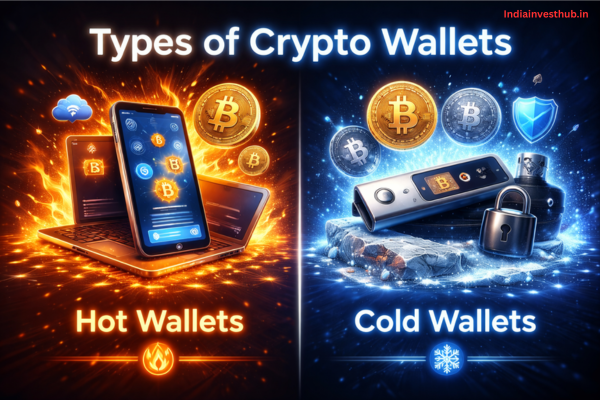
Crypto Wallets come in two broad categories:
Hot Wallets
- Connected to the internet — examples include mobile apps, desktop wallets, and web wallets.
- Easy to use and ideal for everyday trading or small balances.
- However, they’re more exposed to hacks, phishing, and malware.
Because hot wallets are constantly connected, they’re attractive targets for cybercriminals. Increases in phishing attacks and malware have made hot wallet security a top investor concern.
Cold Wallets
- Offline storage — often hardware devices or paper wallets.
- Not connected to the internet, making them much harder to hack.
- Ideal for long-term investors who HODL (hold) significant amounts of crypto.
Cold wallets protect your keys from online threats, but you must physically safeguard the device or seed phrase. For many investors, cold storage is the cornerstone of long-term crypto security.
Hardware Wallets: Are They the Safest Way to Store Crypto?
Hardware wallets are dedicated devices (often USB-like) designed to store private keys offline. They’re widely regarded as the most secure option for large holdings because your private keys never leave the device. Even if the connected PC or phone is infected, the hardware wallet itself resists key extraction.
For investors serious about security — especially with market adoption growing — hardware wallets bridge convenience with high protection. With billions tied to wallet compromises each year, even more cautious investors choose hardware wallets as part of their security strategy.
Mobile, Desktop, and Web Wallets: Which One Should You Use?

These hot wallets vary in convenience and risk:
- Mobile Wallets:
Great for on-the-go access and easy transactions. Good for smaller balances. - Desktop Wallets:
Installed on your computer. Slightly more secure than web wallets but still internet-connected. - Web Wallets / Exchange Wallets:
Wallets hosted by services like exchanges. Easy to start but introduce custodial risk because you don’t control the private keys.
For active trading, investors often use mobile or desktop wallets, but with smaller amounts. For longer-term storage, they shift to cold wallets. Balancing both gives liquidity and security.
Custodial vs Non-Custodial Wallets: Who Really Controls Your Crypto?
- Custodial Wallets:
Your keys are held by a third party (often exchanges or wallet providers). This means you’re trusting someone else to secure your crypto. - Non-Custodial Wallets:
You control your private keys and seed phrase. This gives you full ownership — but also full responsibility.
Data from 2025 showed that about 68% of crypto transactions were handled through self-custodial wallets, indicating investor preference toward controlling their own keys.
As an investor, knowing who controls the keys — and thus the actual assets — is fundamental. While custodial wallets can be convenient, serious investors prefer non-custodial options for long-term holdings.
How to Choose the Best Crypto Wallet for Your Needs (Security, Fees, Support):
Choosing the right wallet depends on your priorities:
- Security:
If you’re holding significant assets, prioritize hardware and non-custodial wallets. - Fees:
Wallets themselves usually don’t charge fees — but transactions on the blockchain do. Some apps add service fees, so compare before choosing. - Support & Usability:
Beginners may prefer smoother user interfaces, while experienced investors may prioritize advanced security features.
Remember: A wallet that’s easy to use but insecure can cost far more than a slightly less convenient but much safer option — especially in a market where hacks and scams have stolen billions annually.
Common Crypto Wallet Mistakes to Avoid: Hacks, Phishing, and Lost Keys
Many crypto losses stem from preventable mistakes:
- Reusing passwords and seed phrases across platforms.
- Storing private keys online or in cloud storage.
- Falling for phishing scams or fake wallet URLs.
- Keeping all holdings in hot wallets long-term.
According to security reports, millions are lost yearly to wallet compromises alone, and phishing attacks continue to rise sharply.
Avoiding these mistakes can dramatically improve your long-term investment outcomes.
Step-by-Step Guide: How to Set Up and Secure a Crypto Wallet Safely
Here’s a simple, investor-oriented walkthrough:
- Choose your wallet type (hardware for long-term; mobile/web for trading).
- Download/install from the official source.
- Create a new wallet and securely write down the seed phrase.
- Store the seed phrase offline (multiple safe physical backups).
- Enable extra security features like PINs and two-factor authentication.
- Transfer a small amount first as a test before moving larger funds.
- Regularly update your wallet software to patch vulnerabilities.
Taking these steps reduces the odds of loss due to user error — one of the most common risk factors in crypto investing.
Backup, Recovery, and Long-Term Storage: Protecting Your Digital Assets for the Future
Your seed phrase is essentially your insurance policy. If you lose access to your wallet device, this phrase helps you recover it on another device or wallet.
Best practices include:
- Multiple physical copies stored separately (e.g., safe, secure home location).
- Avoid digital backups that connect to the internet.
- Consider metal seed storage for fire and water damage resistance.
Long-term investors often transition major holdings to cold storage, reducing ongoing exposure to online threats.
FAQs — Crypto Wallets
Q1: Can a wallet be hacked?
👉Yes — especially hot wallets connected to the internet. That’s why secure key management is vital.
Q2: Do exchanges count as wallets?
👉Yes, but they are custodial wallets, meaning the platform controls your private keys.
Q3: What if I lose my seed phrase?
👉If you lose it and your device fails, you lose access to your crypto forever. That’s why multiple backups are essential.
Conclusion:
Crypto Wallets are more than a technical term for digital investors — they’re the very foundation of ownership in the world of decentralized finance. As global adoption continues to grow, along with escalating losses from hacks and scams tied to poor security practices, understanding how wallets work and how to protect your private keys is no longer optional. Choosing the right type of wallet, backing up your seed phrase securely, and avoiding common mistakes can dramatically reduce investment risk and give you peace of mind in managing your digital assets.
With so much at stake, are you ready to take full control of your crypto security?