
ETFs have quietly become one of the smartest tools for investors focused on Low-Cost Investing: Why ETFs Are Key to an Efficient Stock Strategy — and the numbers back up the trend. For smart investors, understanding how minimizing fees and maximizing efficiency drive long-term wealth can make all the difference. In 2024, the average expense ratio for index equity ETFs was around 0.14%, far below typical mutual fund costs, and bond ETFs averaged roughly 0.10%, underscoring how low costs can add up significantly over decades of investing.
Meanwhile, U.S. investors have collectively saved an estimated $250 billion by choosing ETFs over mutual funds since 1993 due to lower fees and better tax handling — that’s real money staying in investors’ pockets.
What Is Low-Cost Investing? Understanding the Power of Minimizing Fees
At its core, low-cost investing means getting the most out of your capital by reducing the fees that slowly chip away at your returns. Every dollar an investor pays in fees is a dollar that isn’t compounding toward retirement, education, or financial independence. ETFs shine here because they are primarily passively managed and designed to track indexes rather than try to beat them, which reduces the costs associated with research and frequent trading.
Compared with traditional mutual funds — which often have higher expense ratios and sometimes load fees — ETFs typically charge much less. For example, index equity ETFs have historically hovered under 0.15% in asset-weighted average fees, while actively managed mutual funds have charged more than four times that amount. Lower fees mean more of your gains stay invested and compound over time, which is a cornerstone of smart, cost-efficient investing.
ETFs Explained: How Exchange-Traded Funds Work for Smart Investors
ETFs are baskets of assets — like stocks or bonds — that trade on an exchange just like a single stock. Investors buy and sell ETF shares throughout the trading day, gaining diversified exposure with one trade rather than buying dozens or hundreds of individual securities.
Because ETFs trade like shares and aren’t actively managed in the traditional sense, they typically boast lower management costs and no load fees. That means you’re not paying extra for a manager to pick stocks each quarter — especially attractive in a long-term, low-cost strategy.
ETFs vs Mutual Funds: Which Is Better for a Low-Cost Stock Strategy?
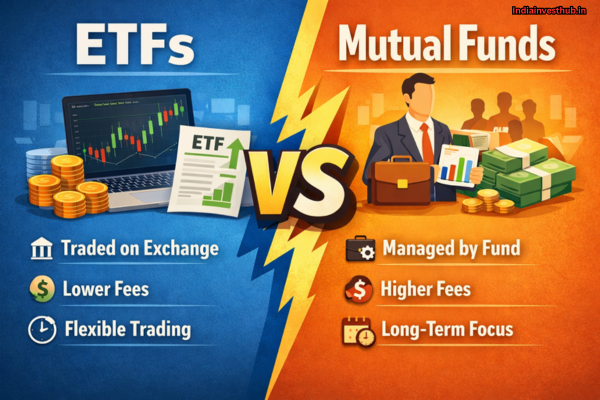
Investors often compare ETFs with mutual funds, another pooled investment vehicle. Here’s where ETFs often take the edge:
- Expense Ratios: ETFs generally have lower ongoing costs compared with mutual funds, especially actively managed ones.
- Liquidity & Trading Flexibility: ETFs trade throughout the day at market prices, while mutual funds transact at end-of-day net asset values.
- Tax Efficiency: ETFs’ unique structure often results in fewer taxable events, meaning investors keep more post-tax returns.
For low-cost strategies focused on broad stock market exposure, these advantages make ETFs a go-to choice for cost-conscious investors, especially when time in the market matters more than timing the market.
Expense Ratios Matter: How ETF Costs Impact Long-Term Returns
Let’s say two investors put the same amount into the market, but one pays 0.15% in annual fees (typical for a low-cost ETF) and the other pays 0.75% through higher-cost funds or fees. Over 30 years, the difference in accumulated value can be staggering purely due to costs eating into compounding returns. This is precisely why minimizing expense ratios — a defining feature of ETFs — is central to efficient long-term investing.
A tiny difference in cost may look insignificant year by year, but over decades it can mean hundreds of thousands of dollars in additional retirement wealth — that’s the power of fee efficiency when compounded.
Diversification Made Easy: Why ETFs Reduce Risk at Lower Cost
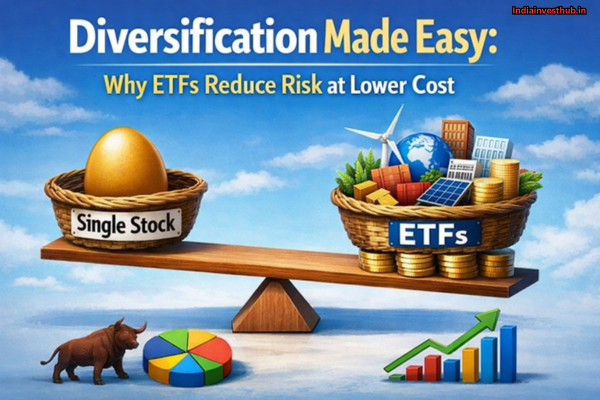
Diversification is fundamental to managing risk. Instead of owning a handful of stocks, investors can own an ETF that tracks an entire index like the S&P 500, giving exposure to dozens or hundreds of companies across industries. This spreads risk and reduces the impact of any one company faltering.
Low-cost indexing via ETFs makes diversification accessible to everyone — you don’t need thousands of dollars to build a diversified portfolio anymore. With a single ETF purchase, investors can hold broad sections of the market.
Passive Investing Advantage: How ETFs Track Markets Efficiently
Passive investing simply means accepting market returns rather than trying to beat them. Over long periods, most actively managed funds fail to outperform their benchmarks after fees are factored in. ETFs that track broad market indexes reflect the performance of the entire market, keeping costs and turnover low while delivering returns in line with market performance — an efficient strategy for disciplined investors.
Best Types of ETFs for Low-Cost Investors:
For those focused on cost efficiency, several ETF categories stand out:
- Broad-Market Index ETFs — Track large, diversified indexes and are ideal for long-term wealth building.
- Sector & Thematic ETFs — Offer targeted exposure but should be chosen carefully to balance cost and risk.
- International ETFs — Provide exposure beyond domestic markets for broader diversification.
Each type serves a purpose, but the core theme remains the same: keep costs low and exposure broad for the most efficient results.
Tax Efficiency of ETFs: How They Help You Keep More Profits
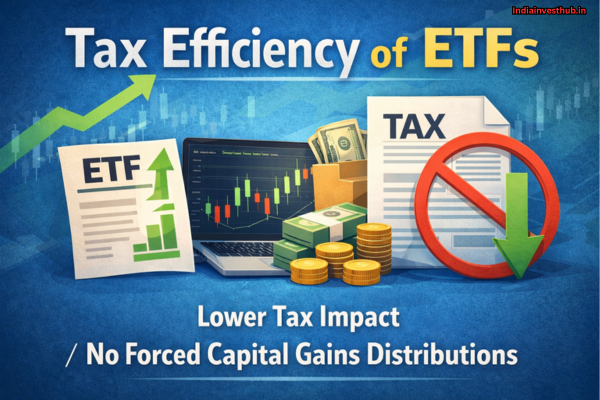
ETFs’ structural advantage often leads to fewer capital gains distributions compared with mutual funds. Because creation and redemption of ETF shares often occur “in-kind,” many ETFs avoid triggering taxable events that mutual funds might. For investors in taxable accounts, this tax efficiency compounds the low-cost advantage and helps preserve more of your investment growth.
Building a Low-Cost ETF Portfolio: Simple Strategy for Beginners
Starting with ETFs doesn’t require complexity. A straightforward approach many investors use includes broad U.S. stock index ETFs, a slice of international market ETFs, and perhaps a bond ETF for balance. Rebalancing annually to maintain target allocations keeps risk in check without incurring high transaction costs. Using dollar-cost averaging — periodically investing a fixed amount — also helps smooth the impact of market volatility.
Common ETF Investing Mistakes That Can Increase Costs — And How to Avoid Them
Even with ETFs, costs can creep in through bid-ask spreads, trading fees, or choosing overly niche ETFs with low liquidity. Always check the expense ratio, average volume, and how well the ETF tracks its benchmark. Avoid frequent trading that racks up commissions or unnecessary capital gains. Focus on low-cost, liquid ETFs to keep costs down — that’s central to efficient investing.
FAQs — Low-Cost Investing
Q1: Are all ETFs low cost?
👉Most broad-market and index ETFs are low cost, but specialized or actively managed ETFs can have higher expense ratios.
Q2: Do ETFs pay dividends?
👉Yes — many stock ETFs distribute dividends received from the underlying stocks.
Q3: Can I lose money with ETFs?
👉Yes — like all market investments, ETFs fluctuate with market conditions.
Conclusion:
ETFs have evolved from niche instruments to core building blocks of low-cost investment strategies for investors who want to know Low-Cost Investing: Why ETFs Are Key to an Efficient Stock Strategy. They blend diversification, low fees, tax efficiency, and flexibility in a way that supports long-term wealth accumulation. By understanding the power of minimizing costs and choosing ETFs wisely, you’re setting up a strategy that aligns with disciplined, efficient investing.
are you ready to build your own low-cost ETF portfolio and see how far it can take you?


