Home buying is one of the biggest milestones in a person’s life, yet it often feels confusing for first-time buyers. With rising property prices, changing loan rules, and complex market trends, many people want a simple guide that breaks everything down clearly. Buying your first home isn’t just a financial decision; it shapes long-term stability and personal security. According to Knight Frank’s India Buyer Sentiment Survey, 71% of first-time home buyers in India expect property prices to rise in the coming years, which makes understanding the process even more important. People don’t just want tips — they want smart strategies backed by data, practical insights, and real-world knowledge.
This article is crafted to help first-time home buyers understand what truly matters: budgeting realistically, choosing the right loan, saving efficiently, comparing properties, and avoiding the unexpected costs that catch many buyers off guard. If your goal is clarity, confidence, and control when buying your first home, this guide is designed for you.
Setting a Realistic Budget: How Much Home Can You Afford?
Setting the right budget is the foundation of buying a home. Many first-time buyers overestimate or underestimate what they truly can afford. A common rule followed by financial planners is the 30–35% rule, which suggests that your monthly home loan EMI should not exceed 30–35% of your monthly income. The Reserve Bank of India (RBI) notes that the average home loan size in India has crossed ₹34 lakh, showing that buyers are stretching budgets compared to previous years (Source: RBI Bulletin, 2023).
When setting your budget, consider:
- Monthly income and fixed expenses
- Existing EMIs or debts
- Emergency fund requirements
- Future financial goals like children’s education or retirement
A realistic budget protects you from financial stress later. Instead of chasing the biggest home you can get, focus on the home that fits your long-term financial comfort.
Understanding Home Loans: Types, Interest Rates & Eligibility
Home loans are at the heart of the buying process. In India, buyers typically choose between floating rate loans and fixed rate loans. Floating rates often start lower but fluctuate with market conditions, while fixed rates stay steady throughout the tenure.
The RBI increased repo rates multiple times between 2022 and 2023, pushing up average home loan interest rates to around 8.5%–9.5% depending on the bank and credit score (Source: RBI Monetary Policy Report, 2023). This makes comparing lenders essential — even a 0.5% difference can save lakhs over a 20-year loan.
Eligibility usually depends on:
- Age and employment stability
- Credit score (usually 700+ for best rates)
- Income level
- Repayment capacity
- Existing debt
Best Home Loan Options in India 2025: Interest Rates, Eligibility & Hidden Costs
Choose a bank that offers flexible prepayment options, minimal processing fees, and transparent terms.
How to Save for a Down Payment Faster:
A down payment is typically 10–20% of the home’s value. For a ₹50 lakh property, this means ₹5–10 lakh upfront. Saving this amount requires discipline and strategy.
Smart ways to save faster:
- Automate monthly SIPs in mutual funds
- Reduce high-interest debt
- Cut unnecessary expenses for 12–18 months
- Use annual bonuses or tax refunds
- Explore government schemes like PMAY (if eligible), which reduces loan burden
Increase Your EMI or Make Extra Payments? Find the Best Way to Pay Off Your Home Loan Faster
According to Economic Times, 63% of Indian home buyers use savings as their primary down payment source, proving the importance of structured savings.
Credit Score Basics: Why It Matters in Home Buying
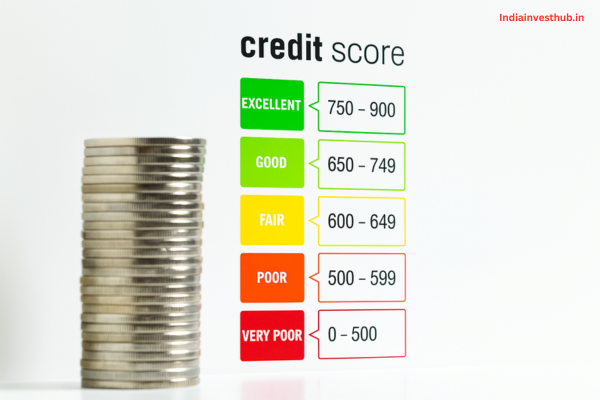
Your credit score affects your loan approval, interest rate, and EMI burden. A score above 750 is ideal. According to CIBIL, borrowers with a credit score of 750+ get interest rates up to 1–1.5% lower than those with average scores, which can save ₹8–10 lakh over a long-term loan.
Improve your credit score by:
- Paying EMIs and credit card bills on time
- Reducing credit utilization below 30%
- Avoiding multiple loan applications
- Checking credit reports for errors
Can a Low Credit Score Stop You from Getting a Home Loan in India?
Your credit score influences how much loan you qualify for and the interest rate offered — making it a major factor in home buying.
Choosing the Right Location: What to Look For
Location impacts your home’s future value, lifestyle, rental returns, and convenience. First-time buyers often focus only on price, but smart buyers look at broader factors:
- Proximity to workplaces
- Schools, hospitals, and transport connectivity
- Future infrastructure projects like metro lines or highways
- Safety and neighborhood development
- Resale demand
A report by Anarock shows that locations with upcoming metro connectivity see property values rise by 10–18% within 2–3 years. Buying in a growing area ensures long-term value appreciation.
Essential Documents Needed for Home Purchase in India:
Documentation is one of the trickiest parts of buying a home. Missing paperwork can delay the process or create legal issues.
Common documents include:
- Sale deed
- Agreement to sale
- Encumbrance certificate
- Occupancy certificate
- Khata certificate (or Pattadar Passbook based on state)
- Building plan approvals
- Title deed
- Bank NOC (for resale properties)
Ensure the property is RERA registered. RERA protects buyers from fraud, delays, and false promises.
How to Compare Properties: Construction Quality, Amenities & Builder Reputation
Not all homes are built the same. Before finalizing, evaluate:
- Construction quality: check walls, flooring, plumbing, and electrical fittings
- Builder credibility: research their past projects, delivery timeline, and customer reviews
- Project amenities: security, parking, ventilation, clubhouse, water supply
- Carpet area vs super built-up area
- Total cost including maintenance and parking
According to RERA data, over 50% of project delays in India are due to builder issues, making reputation one of the most important factors.
Hidden Costs of Buying a Home: Registration, Taxes & Maintenance

Many first-time home buyers forget to account for hidden charges, which can add 5–12% to the total cost.
Common hidden costs:
- Stamp duty & registration: 6–8% depending on state
- GST (for under-construction properties): 5%
- Maintenance deposits
- Clubhouse and parking charges
- Legal fees
- Home insurance
- Loan processing fees
For example, buying a ₹50 lakh home may involve an additional ₹3–5 lakh in hidden costs. Planning in advance prevents last-minute financial stress.
Negotiation Tips to Get the Best Price on Your First Home
Many new buyers don’t realize prices can be negotiated. Developers often offer discounts, waivers, or upgrades — especially at the end of the quarter or year.
Smart negotiation strategies:
- Compare at least 3–4 properties before deciding
- Ask for waiver on parking, maintenance, or floor rise charges
- Use your pre-approved loan to bargain
- Check if there are festival offers or limited-time discounts
- Understand market rates using websites like MagicBricks or 99acres
A survey by NoBroker found that nearly 40% of home buyers successfully negotiated ₹1–3 lakh off the listed price with proper research.
Should You Buy or Rent? How to Make the Right Long-Term Decision

The buy vs rent debate depends on your financial goals, city, and long-term plans.
Buy if:
- You plan to stay for 7+ years
- You want stability and financial security
- Property prices in your city rise steadily
- You can comfortably handle EMIs
Rent if:
- You move cities frequently
- Buying limits financial flexibility
- Rental yield is low compared to EMI burden
- You prefer liquidity
In cities like Mumbai, average rental yields are 2–3%, while home loan interest rates exceed 8%, making renting more practical for many people.
FAQs – Buy Your First Home: Tips, Tricks & Smart Strategies
Q1: What is the first step in buying a home?
👉Setting your budget and checking your credit score.
Q2: Should I buy a home under construction or ready-to-move?
👉Ready-to-move avoids delays; under-construction often costs less.
Q3: How long does home loan approval take?
👉Usually 7–21 days depending on documents and eligibility.
Q4: Should I use a real estate agent?
👉A good agent can simplify the process, but choose carefully.
Q5: Is buying property a good investment?
👉Yes, especially in growing locations with strong demand and infrastructure.
Conclusion:
Buying your first home becomes far easier when you understand budgeting, home loans, credit scores, location choices, and hidden costs. With the right strategies, you can save money, avoid mistakes, and negotiate effectively for a home that supports your long-term goals. Now that you understand the most important steps clearly, are you ready to start the journey toward buying your first home?