Regulatory changes are quickly becoming one of the biggest forces shaping the future of cryptocurrency investments. What started as a largely unregulated digital frontier is now gaining serious attention from governments, central banks, and financial authorities worldwide. New rules around taxation, anti-money-laundering (AML) compliance, stablecoin oversight, and exchange registration are changing how investors buy, hold, and report their crypto assets. For some, regulation brings reassurance and legitimacy — helping reduce fraud, protect investors, and attract institutional money. For others, it raises concerns about privacy, restrictions, and innovation slowdown. Whether you’re a long-term investor or an active trader, understanding how these evolving regulations impact risk, returns, and market behavior is essential.
In this guide, we’ll break down the key regulatory shifts shaping cryptocurrency investments today and what they mean for your portfolio, so you can stay informed and prepared as crypto continues to mature.
Why Governments Are Increasing Crypto Regulation: The Global Shift Explained
Cryptocurrencies were once celebrated for their potential to operate outside traditional financial systems. However, regulators started paying closer attention as crypto adoption skyrocketed. Between 2021 and 2025, global crypto ownership surged from around 10% to over 16% of adults worldwide, driven by both institutional and retail interest.
Governments now face a dual mandate: protect investors and preserve financial stability while embracing innovation that could drive economic growth. Large economies have increasingly recognized that digital assets are too significant to be ignored. This shift toward regulation is partly driven by concerns around fraud, money laundering, tax evasion, and systemic risk.
For investors, this means regulatory developments should be seen not as barriers but as signals of maturation. Clearer rules often attract institutional capital, reduce uncertainty, and make markets more predictable — all of which are positive trends for disciplined crypto investors.
Crypto Taxation Policies: How New Laws Impact Investor Returns

One of the most direct ways regulatory changes influence cryptocurrency investments is through taxation. In many countries, crypto gains are now taxed similarly to capital gains on stocks or real estate. In the United States, for example, the IRS treats digital assets as property, meaning every taxable event — including trades, sales, and certain transfers — may result in a tax liability. Overseas, countries like Germany, Japan, and India have also established frameworks that subject crypto profits to income or capital gains taxes.
Tax changes can directly impact investor returns. For example, long-term holders may face incentives to retain assets longer to benefit from lower long-term capital gains rates, while frequent traders must account for short-term tax implications. In 2025, tax authorities in several jurisdictions also began requiring cryptocurrency exchanges to report account activity to tax agencies, increasing transparency but also compliance requirements.
For investors, this means keeping meticulous records and working with tax professionals experienced in digital assets is no longer optional — it’s essential.
Stablecoin Regulation: What New Rules Mean for Risk and Trust
Stablecoins — cryptocurrencies pegged to fiat currencies — have become critical to digital asset markets. In 2024 and 2025, stablecoin market capitalization exceeded $150 billion, reflecting their use in trading, lending, and payments within crypto ecosystems.
However, stablecoins also raised regulatory concerns around reserve transparency, systemic risk, and consumer protection. In response, regulators in the European Union (through the Markets in Crypto-Assets Regulation — MiCA) and U.S. lawmakers have introduced rules requiring issuers to maintain audited reserves and clear redemption procedures.
For investors, stablecoin regulation enhances confidence. When issuers must prove reserves and operate under transparent standards, the risk of sudden de-pegging or collapse — which can trigger market turmoil — decreases. This boost in trust can support market stability during volatile periods, directly affecting risk management strategies.
Security Tokens and Compliance: Redefining Digital Asset Investing
While most cryptocurrencies today function as utility tokens or speculative assets, security tokens represent a legally compliant class of digital assets backed by real-world securities like equity, debt, or revenue streams. Regulatory clarity around security tokens has grown as lawmakers recognize their potential for fractional ownership, improved liquidity, and streamlined settlement.
In 2025, several jurisdictions began adopting frameworks that treat security tokens similarly to traditional securities, requiring compliance with know-your-customer (KYC) and anti-money-laundering (AML) rules. This has opened the door for regulated tokenized offerings from institutional issuers.
For investors, security tokens offer an intersection of compliance and innovation, providing exposure to digital assets with regulatory safeguards comparable to traditional financial instruments.
Crypto Exchanges Under Regulation: Safer Trading or Less Freedom?
Crypto exchanges — the platforms where trading happens — are also evolving under regulatory pressure. Previously, many exchanges operated with minimal oversight, often in jurisdictions with lax rules. Now, major exchanges must obtain licenses, comply with KYC/AML standards, and adhere to capital requirements in regions like the EU, Singapore, and the U.S.
These changes aim to reduce fraud, protect customer funds, and eliminate unregulated trading environments. For investors, regulated exchanges often provide more security, insurance mechanisms, and compliance reporting — making them safer venues for trading and custody.
However, increased regulation can also mean more paperwork and verification steps for users. While some early crypto adopters lament these changes as a loss of “freedom,” the broader market benefit is greater institutional participation and reduced counterparty risk.
Decentralized Finance (DeFi) and the Regulatory Grey Zone
Decentralized finance (DeFi) — lending, borrowing, and earning yield through smart contracts — exploded into prominence because it operated without intermediaries. But with growth came scrutiny. Regulators have expressed concerns around consumer protection, systemic risk, and unclear legal status for DeFi protocols.
In some regions, authorities are beginning to define how DeFi platforms fit into existing financial laws, especially regarding securities, lending laws, and investor protections. This evolving grey zone makes it complex for both developers and investors.
While tighter rules could curtail some DeFi practices, clarity will ultimately benefit investors seeking yield opportunities while protecting themselves from unregistered platforms and opaque risk profiles.
Impact of Regulatory Crackdowns on Market Volatility and Pricing
Whenever major regulatory actions occur — such as bans, exchange closures, or enforcement against unregistered services — markets respond with volatility. For example, crackdowns in certain Asian markets have triggered price drawdowns as investors reassess risk and liquidity conditions.
Yet not all regulatory developments cause negative reactions. Clear guidance on how digital assets are treated — especially around taxation and institutional participation — can stabilize markets by removing uncertainty. For investors, monitoring regulatory developments has become a key part of assessing future price action and risk exposure.
CBDCs vs Cryptocurrencies: Competition or Co-Existence?
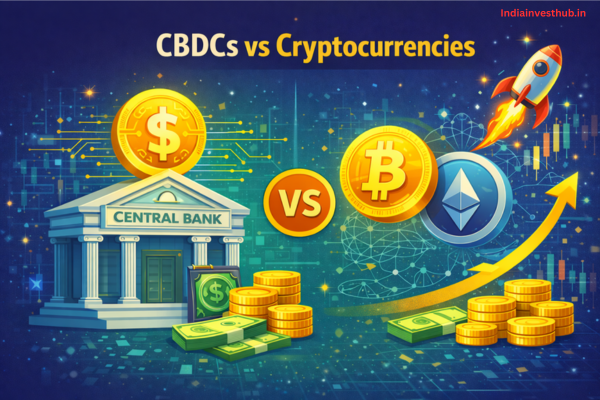
Central Bank Digital Currencies (CBDCs) represent government-issued digital money. Unlike cryptocurrencies such as Bitcoin or Ethereum, CBDCs are regulated, backed by sovereign guarantees, and designed for everyday payments.
While some fear CBDCs may compete with private digital assets, most observers believe they will coexist. CBDCs could improve payment infrastructures and lower transaction costs while complementing private crypto markets rather than replacing them.
For investors, this distinction matters: CBDCs may reduce the appeal of stablecoins for everyday payments but also offer clearer regulatory frameworks that could increase mainstream acceptance of digital assets overall.
Institutional Adoption: How Clearer Laws Are Bringing Big Money to Crypto
One of the most profound implications of regulatory clarity is increased institutional participation. Pension funds, hedge funds, and corporate treasuries have historically hesitated to enter crypto due to legal uncertainty. But as jurisdictions adopt clear licensing, custody standards, and investor protections, institutional capital is beginning to flow in.
For example, a 2025 survey found that over 60% of institutional investors are now considering allocating to regulated digital asset products, a marked increase from previous years.
Institutional money brings liquidity, reduced spreads, and more mature market dynamics — ultimately benefiting everyday investors too.
The Future of Crypto Regulation: What Investors Should Prepare For
The regulatory landscape is not static. As digital assets evolve — with innovations such as tokenized real estate, decentralized autonomous organizations (DAOs), and cross-chain interoperability — lawmakers will continue to adapt. Investors who stay informed about regulatory changes will be better positioned to adjust strategies, select compliant platforms, and manage tax reporting.
Working with legal and tax professionals who understand digital asset regulations can protect capital and prevent costly mistakes.
FAQs — Regulatory Changes
Q1: What are Regulatory Changes in crypto?
👉Regulatory Changes refer to updates in laws and rules that govern how cryptocurrencies are traded, taxed, and used within financial systems.
Q2: Can Regulatory Changes impact crypto prices?
👉Yes. Major regulatory announcements often influence market sentiment, liquidity conditions, and price volatility.
Q3: Do Regulatory Changes make crypto safer for investors?
👉Clear regulations often improve investor protection and exchange security, but they may also increase compliance costs.
Q4: Are stablecoins affected by Regulatory Changes?
👉Stablecoins are increasingly regulated to ensure reserve transparency and consumer protection.
Q5: Do Regulatory Changes affect DeFi?
👉Yes. Regulators are exploring how DeFi platforms fit into existing laws — which could impact yield products and lending protocols.
Conclusion:
Regulatory Changes are reshaping cryptocurrency investments in profound ways — from taxation and compliance to institutional adoption and market stability. While regulations can introduce new requirements and oversight, they also bring clarity, security, and broader participation in digital asset markets. For investors who want to thrive in this evolving environment, staying informed and compliant isn’t just prudent — it’s essential to long-term success in crypto.
So, Are you prepared for the next wave of regulatory changes and the opportunities they may bring?