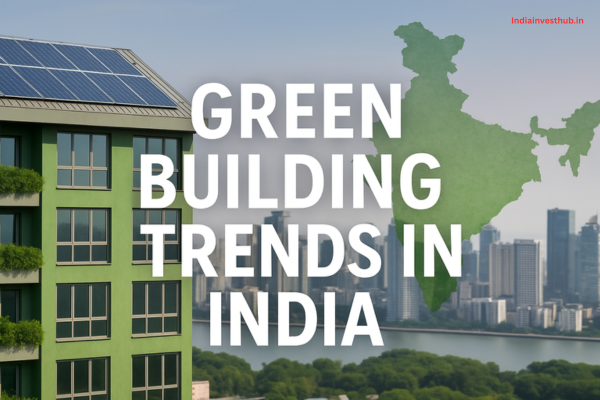
Green Building Trends in India is fast becoming a major draw for investors looking at the real-estate sector — and 2025–26 marks a turning point. Over the last five years, the green building footprint in India has nearly doubled, reaching about 13 billion square feet by 2024 across residential, commercial, and mixed-use developments.
As sustainability becomes more than a “nice to have,” developers and buyers are embracing efficient design, eco-friendly materials, and smart systems — turning old homes into high-value, low-cost, future-ready assets. For investors wanting to know “where next” in Indian real estate, these trends are not just ethical; they’re economically strategic. Here’s an in-depth guide to help you understand why green building matters — and how it’s shaping the future of Indian real estate.
What Is Green Building? How Sustainable Architecture Is Transforming Indian Real Estate
Green buildings emphasize resource efficiency — energy, water, materials — while improving comfort and long-term value. In India, environmental awareness, rising energy costs, and regulatory push are driving demand. Many modern projects now offer better insulation, solar power, rain-water harvesting, efficient lighting and ventilations systems, and use of recycled or low-impact construction materials. This shift is transforming not only how homes are built — but how they’re valued.
Top 10 Locations for Real Estate Investment in India in 2026
Government Policies Driving Green Buildings in India:
The push toward sustainable living is supported by policy. Certification bodies like Indian Green Building Council (IGBC) and frameworks for energy-efficient construction have encouraged developers to pursue green standards. As of 2024, a growing share of new “Grade A” office buildings and residential developments are green-certified.
Additionally, government incentives in some states — such as faster approvals, FAR/FSI bonuses, or tax rebates — make green-certified buildings more financially attractive for developers and investors alike.
Top Sustainable Construction Materials Used in India:
Investments in green buildings benefit from newer materials designed to reduce environmental impact and operating costs. The market for green building materials in India was valued at USD 13.86 billion in 2024 and is projected to grow significantly over the next decade.
These materials can include energy-efficient insulation, eco-friendly bricks, low-VOC paints, recycled concrete, water-saving fixtures, and more — all of which make buildings more sustainable and attractive to eco-conscious buyers or tenants.
Energy-Efficient Building Designs: Solar, Passive Cooling & Smart Systems
Green buildings in India increasingly integrate solar panels, passive cooling design (orientation, shading, natural ventilation), and smart energy systems to reduce electricity use and environmental footprint. Especially in warmer Indian climates, efficient design reduces reliance on air conditioning, cutting energy bills and increasing long-term ROI for owners.
For investors, properties with these features often mean lower operating costs, higher occupancy or resale value, and stronger appeal among buyers increasingly conscious about sustainability.
Water Management Innovations: Rainwater Harvesting & Greywater Recycling
Sustainable real-estate projects are complementing energy efficiency with water-management solutions — such as rainwater harvesting, storage systems, and greywater recycling — to reduce water usage, especially critical in water-stressed urban areas. These features also boost a property’s ESG credentials and occupancy appeal, particularly among environmentally aware residents.
Smart Technology for Green Real Estate: IoT, BMS & Smart Metering
Beyond bricks and mortar, green real-estate in India is evolving with smart building technologies — from IoT-enabled energy monitoring and smart meters to Building Management Systems (BMS) that optimize lighting, heating/cooling, water usage, and maintenance. This automation further reduces running costs and enhances tenant comfort.
Such tech-enabled buildings not only appeal to modern buyers/tenants but also help investors secure better long-term returns through reduced maintenance and higher resale or rental value.
Benefits of Green Buildings: Cost Savings, ROI & Long-Term Sustainability
- Lower operating costs thanks to reduced energy and water bills. Green homes often translate to lower utility bills and maintenance costs.
- Higher rental yield and occupancy — green-certified office buildings in India show 80–90% occupancy levels and command a rental premium up to 25% compared to conventional buildings.
- Higher resale value and demand as sustainability awareness grows among buyers. Green or smart homes are increasingly preferred — providing long-term capital appreciation potential.
- Sustainability and ESG compliance, which aligns with global investment trends, corporate responsibility, and environmentally aware buyers.
Top Green Building Projects in India: Case Studies & Success Stories
From residential complexes to offices and mixed-use developments, many developers now brand properties as “green-certified” or “smart-home ready.” These buildings often feature solar rooftop installations, efficient HVAC, rainwater harvesting, waste-recycling systems, and smart automation. Such developments are growing rapidly across major cities — making green real estate increasingly mainstream rather than niche.
Investors who enter early — especially when supply is limited — may benefit from both first-mover appreciation and long-term demand.
Challenges in Sustainable Real Estate Development in India:
That said, green building adoption still faces hurdles:
- Higher upfront cost — sustainable materials, certifications, and tech integration often increase construction costs. This can deter budget-conscious developers or buyers.
- Limited awareness among some buyers/investors — while demand is rising, not all buyers prioritise green credentials over price or location.
- Regulation/approval delays — green certification, compliance, and approvals add complexity to projects; developers may avoid them to save time or costs.
- Geographic and climate constraints — passive cooling, solar gains, water harvesting — effectiveness varies across India’s diverse climates and urban densities.
Future Trends: Net-Zero Homes, Eco-Friendly Townships & Green Certifications
Looking ahead, demand for net-zero homes, eco-friendly townships, and certified green buildings is expected to grow. As more developers adopt sustainable practices and buyers value energy efficiency, green real estate will likely no longer be a premium niche, but a baseline expectation. Government incentives, global ESG trends, and rising awareness will accelerate this transformation.
Mixed-use developments with green features, integration of smart technology, and stronger regulation around carbon emissions will make sustainable real estate one of the safest long-term bets.
FAQs – Green Building Trends in India
Q1: Are green-certified homes more expensive than conventional ones?
👉Initially, green-certified properties often cost more due to sustainable materials and tech — but long-term savings on utility bills, maintenance, and higher resale/rental value typically offset the premium.
Q2: Does a green building really save energy and water?
👉Yes — certifications like those from IGBC are designed to ensure efficient energy use, better insulation, water recycling or harvesting, often resulting in substantial reductions in utility consumption.
Q3: Is green real estate demand only limited to metros?
👉No — while metros lead now, smaller cities and upcoming townships are increasingly embracing green building, especially where water scarcity, climate challenges, or regulatory incentives exist.
Conclusion:
Green Building Trends in India are not just about environmental responsibility — they represent a strong, forward-looking investment strategy. Sustainable real-estate development offers lower operating costs, higher resale and rental potential, long-term value appreciation, and increasing buyer demand. For investors looking to stay ahead of the curve, green-certified homes and offices offer a path to both profitability and social impact. As demand for energy-efficient living rises and regulations tighten, green real estate is set to define India’s next growth wave.
Are you ready to explore sustainable properties for your next real-estate investment?