In today’s digital world, credit cards have become more than just a payment tool—they’re a gateway to convenience, rewards, and financial flexibility. But with great benefits come hidden risks. Credit Card Hacks: Maximizing Rewards and Minimizing Risk explores how you can turn your everyday spending into valuable returns without falling into common traps like high-interest debt or hidden fees.
Whether you’re a first-time cardholder or a seasoned user, understanding the right credit card strategies can help you make smarter financial decisions, earn maximum rewards, and maintain control over your finances.
Understanding Credit Card Rewards Programs:
One of the main reasons people use a credit card is the rewards programs they offer. Whether it’s cashback, travel points, or exclusive discounts, these benefits can significantly enhance your spending power. However, to truly maximize rewards and minimize risk, it’s vital to understand how these programs function.
Different credit cards offer different reward structures—some provide points on all purchases, while others give higher returns on categories like groceries, dining, or travel. To get the best results, select a credit card that aligns with your lifestyle and spending habits.
Apply for Credit Card Online
Maximizing Rewards: The Smart Way
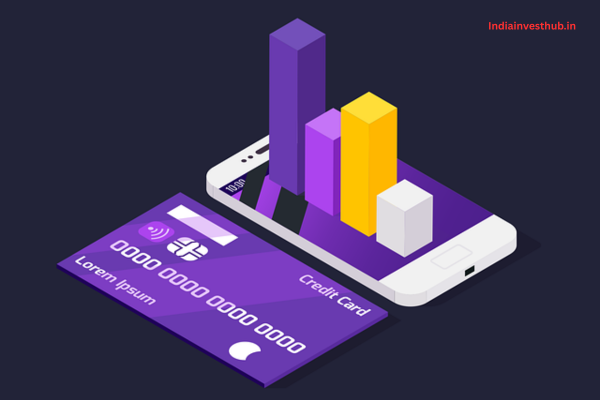
To make your credit card work for you, follow these key strategies:
- Know Your Categories: Many cards offer rotating categories with higher rewards rates. Be sure to activate these categories every quarter and plan your spending accordingly.
- Stacking Rewards: Use your credit card in conjunction with other rewards programs. For example, using a credit card that offers extra points at specific stores can be combined with the store’s loyalty program for double rewards.
- Pay in Full: Always pay your balance in full each month. The interest on carried balances can quickly outweigh any rewards earned, undermining your strategy to maximize rewards.
- Sign-Up Bonuses: Many credit cards offer significant sign-up bonuses if you spend a certain amount within the first few months. Plan large purchases around this to ensure you meet the requirement without overspending.
- Multiple Cards: Consider using multiple cards to take advantage of different rewards categories. However, this requires discipline to manage payments and avoid overspending.
Minimizing Risk: Protecting Your Finances
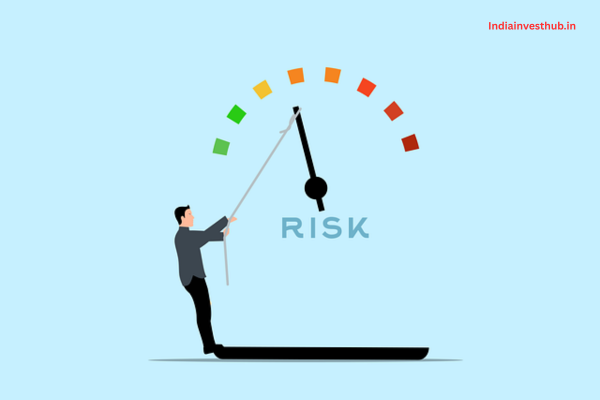
While a credit card offers numerous benefits, it also carries certain risks if not managed properly. Here are ways to stay financially secure:
- Avoid High Balances: Carrying a high balance can negatively impact your credit score and lead to substantial interest payments. Keep your utilization ratio low to maintain a good credit rating.
- Fraud Protection: Ensure your card has strong fraud protection features. Regularly monitor your statements for unauthorized transactions and report them immediately.
- Interest Rates: Be aware of the interest rates on your cards, especially if you plan to carry a balance. Even with rewards, high-interest rates can make it difficult to pay off your balance.
- Annual Fees: Some rewards cards come with annual fees. Ensure the rewards you earn justify this cost, or consider no-fee cards that still offer decent benefits.
- Credit Limit Management: Regularly review and manage your credit limits. Requesting a limit increase can be beneficial, but only if you can handle the responsibility.
The Art of Financial Balance: Differentiating Between Needs and Wants
Understanding the Fine Print:
Many cardholders miss out on benefits or incur extra costs because they don’t read the terms carefully. Always check the fine print of your credit card agreement.
- Reward Expiry Dates: Some reward points expire if not used within a certain period. Keep track of these dates to ensure you don’t lose valuable points.
- Foreign Transaction Fees: If you travel frequently, ensure your card doesn’t charge high foreign transaction fees, as these can quickly add up.
- Redemption Rules: Understanding how to redeem your rewards is crucial. Some cards may have restrictions on when and how you can redeem points or cashback.
- Interest-Free Period: Know the duration of the interest-free period on your purchases. Pay off your balance before this period ends to avoid interest charges.
- Minimum Payment Trap: Always aim to pay more than the minimum payment. Paying only the minimum can lead to a debt spiral, as most of your payment goes towards interest.
The Role of Credit Scores:
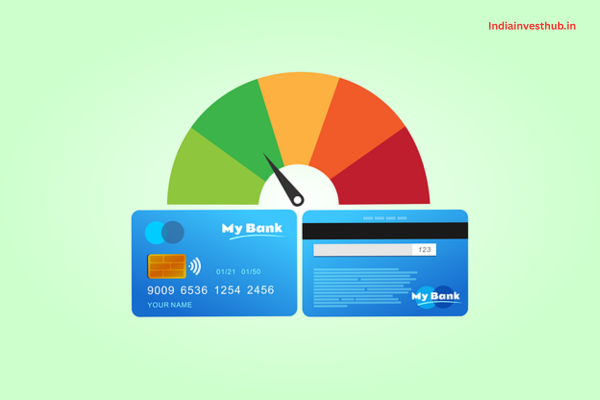
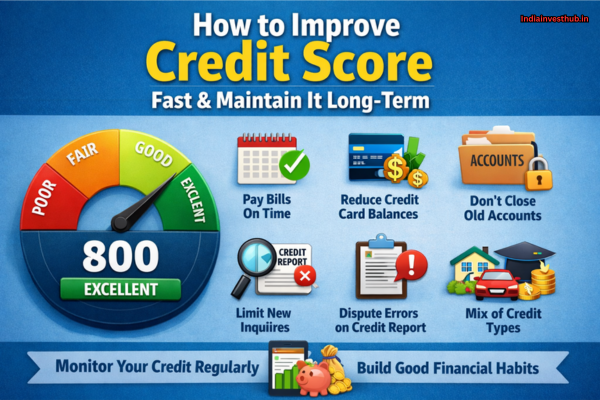
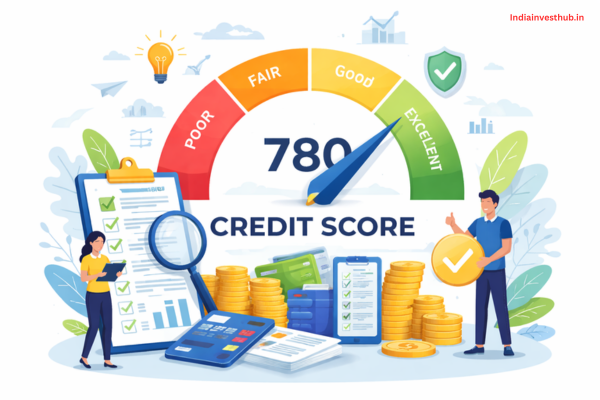
Your credit score plays a vital role in determining your access to premium credit cards and favorable interest rates. Maintaining a healthy score ensures you can take advantage of better offers and maximize benefits.
- Timely Payments: Ensure you always pay your credit card bills on time. Late payments can significantly damage your credit score.
- Low Credit Utilization: Keep your credit utilization ratio (the amount of credit you’re using relative to your credit limit) low. A ratio below 30% is generally recommended.
- Regular Monitoring: Check your credit report regularly for errors or signs of fraud. You are entitled to one free credit report per year from each of the three major credit bureaus.
- Limit Hard Inquiries: Each time you apply for a credit card, a hard inquiry is made on your credit report, which can temporarily lower your score. Apply for new credit sparingly.
- Long Credit History: Keeping older accounts open and in good standing contributes to a longer credit history, which positively impacts your score.
Advanced Credit Card Strategies:
Once you’ve mastered the basics, consider these advanced techniques to maximize your credit card potential:
- Balance Transfers: Some cards offer 0% interest on balance transfers for a promotional period. This can be an effective way to pay down debt without accruing interest.
- Maximizing Cashback: Use a cashback card for everyday purchases and invest the cashback rewards to grow your wealth over time.
- Travel Hacking: If you’re a frequent traveler, leverage travel rewards cards to book flights and hotels at discounted rates or even for free.
- Credit Card Churning: This involves applying for multiple credit cards to take advantage of sign-up bonuses, then canceling them after the bonuses are earned. Be cautious with this strategy as it can impact your credit score.
- Automated Payments: Set up automated payments to ensure you never miss a payment. This also helps you avoid late fees and potential damage to your credit score.
Common Mistakes to Avoid:
Even experienced users can misuse their credit cards without realizing it. Here are five common mistakes to avoid:
- Overspending for Rewards: Many people make unnecessary purchases just to earn rewards or meet bonus requirements. This can quickly lead to debt that outweighs the benefits.
- Ignoring Monthly Statements: Failing to review your credit card statement may cause you to miss fraudulent charges, incorrect billings, or unnoticed fees.
- Missing Payment Deadlines: Late payments not only trigger penalty fees but can also damage your credit score significantly.
- Paying Only the Minimum Balance: Making minimum payments keeps you in debt longer and leads to high interest costs over time.
- Applying for Too Many Cards: Frequent applications result in multiple hard inquiries, lowering your credit score and making it harder to get new credit in the future.
FAQs – Credit Card
Q1: How many credit cards should I have?
👉Ideally, two to three well-managed credit cards can help you earn diverse rewards without complicating your finances.
Q2: Does closing a credit card hurt my score?
👉Yes, closing an old card can shorten your credit history and slightly reduce your score.
Q3: Should I use my credit card for every purchase?
👉Use your card for planned and manageable purchases to earn rewards, but always pay in full monthly.
Q4: How do I choose the right credit card?
👉Select a credit card that matches your lifestyle—travel, shopping, or cashback—and compare annual fees, interest rates, and rewards programs.
Conclusion: The Balance of Rewards and Responsibility
In conclusion, using a credit card wisely means striking the perfect balance between enjoying its rewards and maintaining financial discipline. By understanding your card’s features, reading the fine print, and managing your spending habits, you can turn your credit card into a tool for financial growth rather than debt. The key is to stay informed, be disciplined, and make decisions that align with your goals.
So, are you ready to make your credit card work smarter for you?