Commercial Real Estate in India is at a turning point — and for investors scanning the horizon, 2025–2026 could be a golden window. Demand for high-quality commercial property is rising sharply, led by booming sectors such as IT services, global capability centers, fintech, and e-commerce. Thanks to this growth, many cities are seeing a surge in leasing activity, rental yields, and new development — making commercial real estate a compelling option for those who want stable returns and future appreciation.
Below is a comprehensive, investor-focused overview of what’s happening — and what’s likely around the corner — in India’s commercial real-estate sector. From offices, to warehouses, to data centers, retail malls and emerging asset classes, you’ll get a sense of where to invest, what to watch for, and how to weigh risk vs reward.
India’s Commercial Real Estate Market: Current Scenario and Growth Drivers
Commercial Real Estate in India has grown steadily over the past decade, with increasing corporate expansion, liberalized FDI norms, and surging demand for quality office spaces. As companies — both Indian and multinational — expand operations, demand for Grade-A offices has increased sharply. Major economic sectors, particularly technology, financial services, and shared services, are driving robust leasing demand.
Further, rising domestic consumption and urbanization have boosted demand for retail spaces, warehouses and logistics infrastructure. The growth of e-commerce and just-in-time supply chains is fueling demand for warehousing, industrial logistics hubs, and distribution centers across major and tier-2 cities.
These combined drivers — corporate growth, changing retail dynamics, and logistics demand — are fueling a steady expansion of commercial real estate, making it attractive for investors seeking diversified exposure beyond residential property.
Rise of Grade-A Office Spaces: Demand From IT, BFSI & Global Capability Centers
The shift toward Grade-A office space has been one of the most visible trends in Indian commercial real estate. As companies seek modern infrastructure, safety standards, and flexible layouts, Grade-A buildings in key metro corridors are increasingly preferred for long-term leases.
Global Capability Centers (GCCs), multinational IT firms, fintechs, and other service companies are expanding in India, especially in technology hubs and metro cities. This expansion is sustaining demand for high-quality offices, fuelling both leasing and new development.
For investors, Grade-A office spaces offer a stable, long-term lease income — less volatile than many rental segments. When demand is high and supply is controlled, these assets can provide both regular income and capital appreciation over time.
Co-Working and Flex Office Spaces: The New Normal for Indian Businesses
One emerging subplot in India’s commercial real estate story is the rapid growth of co-working and flex office spaces. As start-ups, SMEs, freelancers, and remote-first teams become more common, demand for flexible office setups has surged. Co- working operators and shared office providers are expanding, especially in metro cities and urban business hubs.
For investors, this shift offers opportunities: flexible leases, shorter lock-in periods, and higher per-square-foot yields can provide attractive cash flows — while offsetting risk associated with long-term tenancy or economic slowdowns.
Impact of Hybrid Work Models on Office Space Leasing in India:
The global rise of hybrid and remote work models has changed how companies use office space. Many firms now prefer flexible, shorter-term leases, hot-desking, and shared office infrastructure rather than long-term traditional leases.
This model reduces overhead for companies and increases flexibility, but it also changes how real estate investors must evaluate properties. Buildings with adaptive layouts, good amenities, and proximity to transport — rather than just size — are becoming more attractive. Investors may want to prioritize modern, flexible office properties over traditional, rigid-layout buildings.
Commercial Real Estate Hotspots in 2026: Bengaluru, NCR, Hyderabad & Pune
Cities like Bengaluru, Delhi NCR, Hyderabad, and Pune are emerging as key hotspots for commercial real estate investment. These cities combine strong corporate presence, robust infrastructure, and growing talent pools — making leasing demand and capital appreciation likely higher than average.
Top 10 Locations for Real Estate Investment in India in 2026
Investors targeting these cities may benefit from long-term growth, steady tenancy, and capital value appreciation — especially if they enter early or pick assets with modern amenities.
Growth of Warehousing and Industrial Real Estate in India:
Beyond offices, warehousing and industrial real estate are becoming increasingly attractive, as India’s e-commerce, retail distribution, and manufacturing sectors expand. Demand for logistics hubs, storage centers, and industrial parks is rising — offering investors a diversified alternative to traditional office or retail investments. Assets in this segment often come with long-term lease terms and stable demand, especially in logistics corridors and near major transport nodes.
Such industrial-commercial properties can provide rental stability, inflation-hedge potential, and long-term value — particularly as consumption patterns and supply-chain needs evolve across India.
Data Centers and Cloud Infrastructure: The New Commercial Asset Class
With digital transformation, cloud adoption, and data-heavy applications rising globally and in India, demand for data centers and related infrastructure is increasing. These facilities — requiring specialized buildouts, robust power and cooling, and high security — constitute a growing commercial real-estate asset class.
Investing in data-center infrastructure or leasing such space can yield high returns, especially as demand from tech firms, SaaS providers, streaming services, and large enterprises grows. For investors willing to understand the technical and regulatory aspects, this may offer high-yield, long‐term potential.
Retail Real Estate in Malls & High Streets: Changing Consumer Behavior
As India’s middle class grows and consumption patterns evolve, retail real estate — both malls and high-street shops — continues to be relevant. While online shopping has taken a share, physical retail remains strong for groceries, experiences, quick commerce, and local services. Mixed-use developments combining retail, entertainment, and residential/office components are gaining popularity.
For investors, retail space — especially in high-traffic areas or integrated developments — can offer decent rental yield, albeit with higher volatility compared to office or industrial real-estate. Selecting tenants carefully and ensuring location and footfall remain central are key.
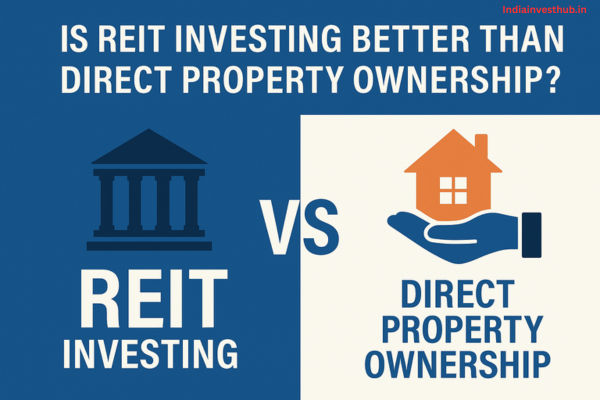
Investing in Commercial Real Estate: REITs vs Direct Ownership
Investors have two primary paths: directly owning commercial property, or investing via fund/REIT—like Embassy Office Parks REIT or Mindspace Business Parks REIT — which pool assets, reduce risk, and offer liquidity. REITs provide exposure to high-quality assets without requiring large capital, whereas direct ownership gives control and potential for higher returns (with higher risk).
Each approach suits different investors: REITs for those wanting passive income and diversification, direct ownership for those seeking control and long-term appreciation.
Future Outlook: AI, Smart Buildings, ESG Investments & Green Commercial Spaces
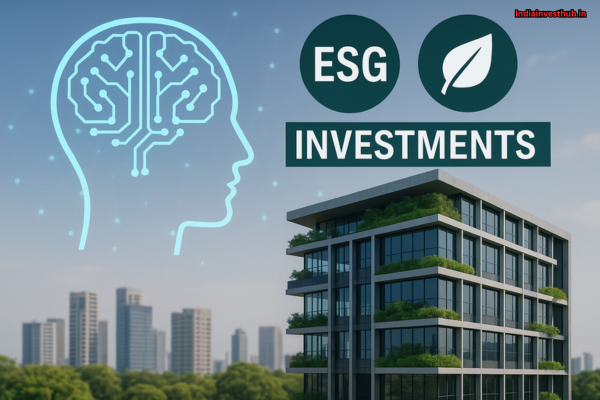
Looking ahead, Commercial Real Estate in India will likely see growth in smart buildings, AI-powered building management systems, eco-friendly constructions, and ESG-compliant developments. As global and domestic investors emphasize sustainability and technology, buildings offering energy efficiency, smart security, flexible layouts, and green credentials will command premium demand.
Such trends align with global investment shifts — meaning that early investment in smart, sustainable commercial real estate could yield significant long-term value.
Risks in Commercial Real Estate Investments & How to Avoid Them:
Of course, no investment is free of risk. Economic slowdowns, oversupply in certain submarkets, shifting demand (e.g. against large office spaces), regulatory changes, or poor tenant mix could impact returns. Investors should:
- Do thorough market research before investing (demand, location, supply pipeline)
- Prefer Grade-A or modern properties for greater tenant demand
- Diversify across asset classes (office, industrial, retail, data centers) to spread risk
- Monitor regulatory and policy shifts especially around taxation, zoning, and commercial lease laws
FAQs – Commercial Real Estate in India
Q1: Is commercial real estate still a good investment in 2026?
👉Yes — with diversified growth across offices, industrial, retail, data centers, and demand from domestic and global firms, commercial real estate offers multiple income streams and long-term value.
Q2: Should I invest via REIT or buy property directly?
👉That depends on your capital, risk appetite, and desired involvement. REITs offer liquidity and diversification; direct ownership gives control and potential for higher gains if managed well.
Q3: Which cities offer the most potential?
👉Bengaluru, NCR, Hyderabad, Pune — due to strong corporate presence, infrastructure, and growing demand — stand out currently.
Conclusion:
For investors looking beyond traditional residential property, Commercial Real Estate in India presents a diversified, forward-looking opportunity as the economy, corporate demand, logistics, and technology converge. From Grade-A offices to modern warehouses, from data-center infrastructure to hybrid work-friendly buildings, the asset class offers both stable income and growth potential. With careful selection, due diligence, and a balanced long-term perspective, investors can tap into the evolving commercial-real-estate landscape for significant value.
Are you ready to explore where your next commercial real-estate investment should go?