Equity Funds vs International Funds: Which Investment Is Better for You?

Equity Funds vs International Funds: Which Investment Is Better for You?

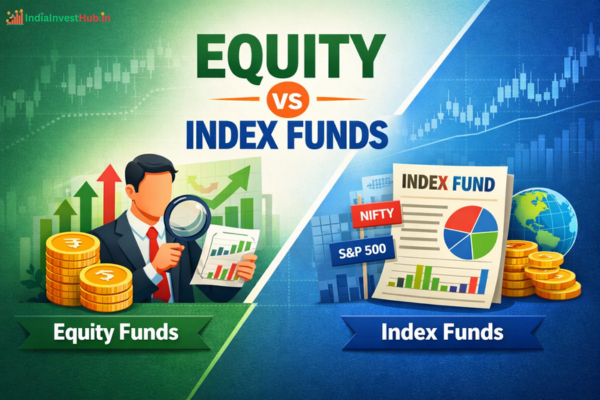
Choosing the right mutual fund can significantly impact your long-term financial growth, especially when investors are deciding between equity funds and international funds. Both investment options offer unique opportunities, but they serve different purposes in a portfolio. Equity funds primarily invest in companies within the domestic market and aim to generate wealth by capturing the…
Read More
CAGR vs IRR: Which Return Metric is More Accurate?

CAGR vs IRR: Which Return Metric is More Accurate?

CAGR vs IRR is a comparison many investors eventually face when trying to measure investment performance accurately. At first, returns seem simple—invest money, check profit, calculate percentage. But once you dive deeper into annualized returns and long-term projections, the method you choose can completely change the interpretation of results. Some investors see CAGR in stock…

Read More
CAGR vs XIRR: What’s the Difference and Which is Better for Investors?

CAGR vs XIRR: What’s the Difference and Which is Better for Investors?

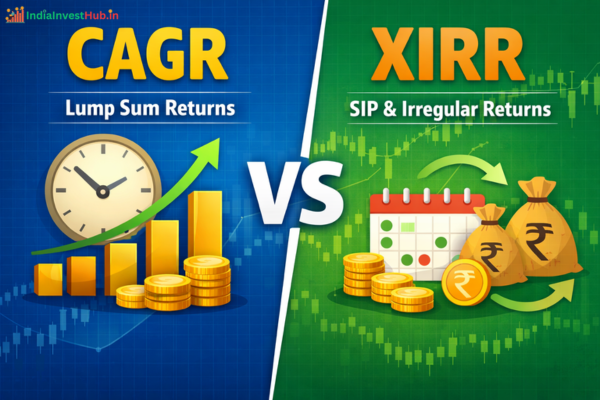
Investors often focus on returns, but the real challenge begins when trying to measure them accurately. That’s where the confusion between CAGR vs XIRR usually starts. Many people see impressive profit numbers in their portfolio, yet when they calculate annual returns, the percentage changes depending on the method used. Some reports highlight CAGR, while mutual…

Read More
What is Internal Rate of Return (IRR)? Meaning, Formula, Example & How to Calculate

What is Internal Rate of Return (IRR)? Meaning, Formula, Example & How to Calculate

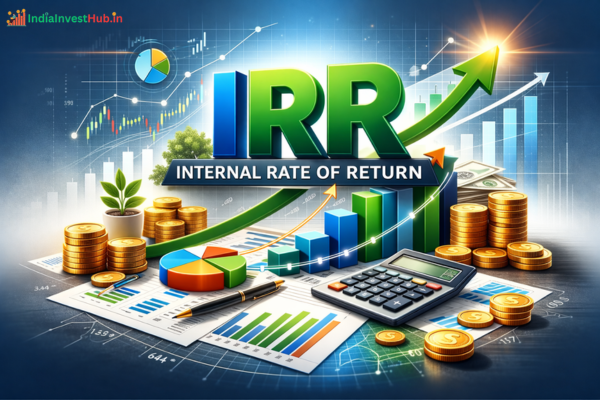
Internal Rate of Return (IRR) is one of the most important metrics investors use to evaluate whether an investment is worth their money. If you’ve ever compared two projects, mutual funds, startups, or business opportunities and wondered which one truly offers better returns over time, IRR gives you that answer in percentage form. According to…

Read More
What is Rupee Cost Averaging? Meaning, Example, Benefits & How It Works in SIP

What is Rupee Cost Averaging? Meaning, Example, Benefits & How It Works in SIP

Understanding Rupee Cost Averaging: A Strategic Overview When markets fluctuate wildly and investment timing feels like guesswork, Rupee Cost Averaging emerges as your steady financial compass. This disciplined investment strategy automatically smooths out market volatility by spreading your purchases across different price points, turning unpredictable market swings into your advantage. At its core, Rupee Cost…

Read More