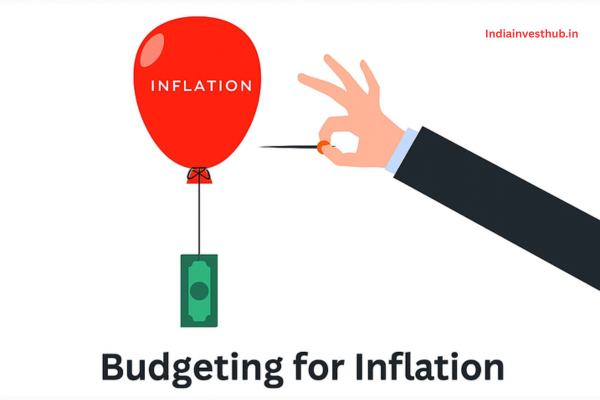
Inflation is no longer just an economic term reserved for textbooks—it’s becoming a real burden on everyday living. In India, for example, annual consumer‑price index inflation averaged around 5% in recent years, meaning you’re spending roughly 5% more on the same basket of goods and services compared to last year. Many households experienced this in a dramatic way: one recent survey found that Indian households spent 18% more in the March quarter of 2024 compared with June 2022, purely because of rising prices and heavier spending on essentials.
The reality is clear: your money doesn’t stretch as far as it used to—and it’s precisely for this reason that budgeting for inflation and maintaining your spending power matter now more than ever.
Table of Contents
Understanding Inflation and Its Impact on Everyday Expenses:
When inflation kicks in, the cost of essentials like food, utilities, fuel and housing tends to rise faster than wages or savings often do. For example, in February 2025, India’s year‑on‑year consumer price index inflation rate was 3.61%. That means if you had a budget of ₹100,000 last year, you might effectively only have ~₹96,400 of purchasing power this year (all things equal).
The less visible impact? With inflation, you may feel the pinch when you realise your usual grocery bill has climbed, your utility or transport costs have moved up, or your savings are effectively losing value because they’re earning less interest than inflation. Recognising how this erosion happens is the first step to preserving your spending power.
How to Adjust Your Monthly Budget During Inflation:
To stay ahead, updating your monthly budget is key. First, list your fixed and variable expenses—for example rent, loan EMIs, utilities (fixed) vs groceries, entertainment, discretionary spending (variable). Then factor in inflation: assume a realistic rise (e.g., 5%–6%) in your variable costs, and check how your income growth compares. If your income hasn’t kept pace, you’ll need to identify areas to adjust. One practical move: inflate your budget line‑by‑line. If you spent ₹10,000 on groceries last year and anticipate a 6% inflation hit, budget ₹10,600 this year.
Similarly, for fuel, transport, etc. Then compare: can your income or savings adjustments cover that extra ₹600 (in this example) without tapping into other priorities? If not, shift variable categories downwards or find ways to reduce them. Prioritising ahead of time avoids the scramble when you realise costs have jumped.
Smart Grocery and Household Shopping Strategies:
With inflation hitting the essentials hardest, groceries and household items are a prime battleground. You can stay ahead by doing things like: buy staple items in bulk when discounts occur (and when storage allows); monitor unit‑prices (cost per kilogram/litre) rather than just pack price; switch to seasonal produce which tends to be cheaper; keep an eye on wholesale markets or local offers. Also, price‑comparison apps or discount alerts help you stay alert.
When inflation is high, you also want to avoid panic buying (which can drive you into paying premium prices) and instead maintain a calm, planned shopping list. The idea: reduce the inflation‑driven cost creep on the essentials so you retain more of your income for other goals.
Prioritizing Needs vs Wants in High‑Inflation Periods:
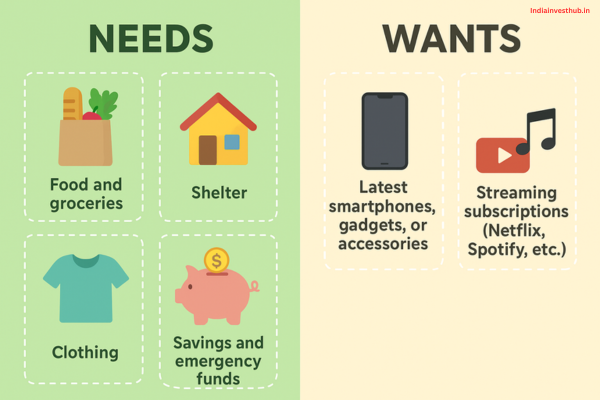
When prices rise, discretionary spending is often the first to get cut—but it’s important to do this thoughtfully, so you don’t feel deprived. Begin by classifying each expense as a “need” (housing, food, utilities, transport) vs. a “want” (dining out, streaming subscriptions, luxury purchases). During inflationary pressure, you might temporarily reduce the frequency of wants without eliminating them outright (for example cut back on dining out from twice a week to once, or review your subscription services).
The Art of Financial Balance: Differentiating Between Needs and Wants
By consciously trimming wants, you make room for higher necessary costs and protect your savings. The mindset: keep the essentials intact, adjust the extras. Over time you might even find you enjoy simpler alternatives just as much—but with less cost.
How to Build an Inflation‑Resistant Emergency Fund:
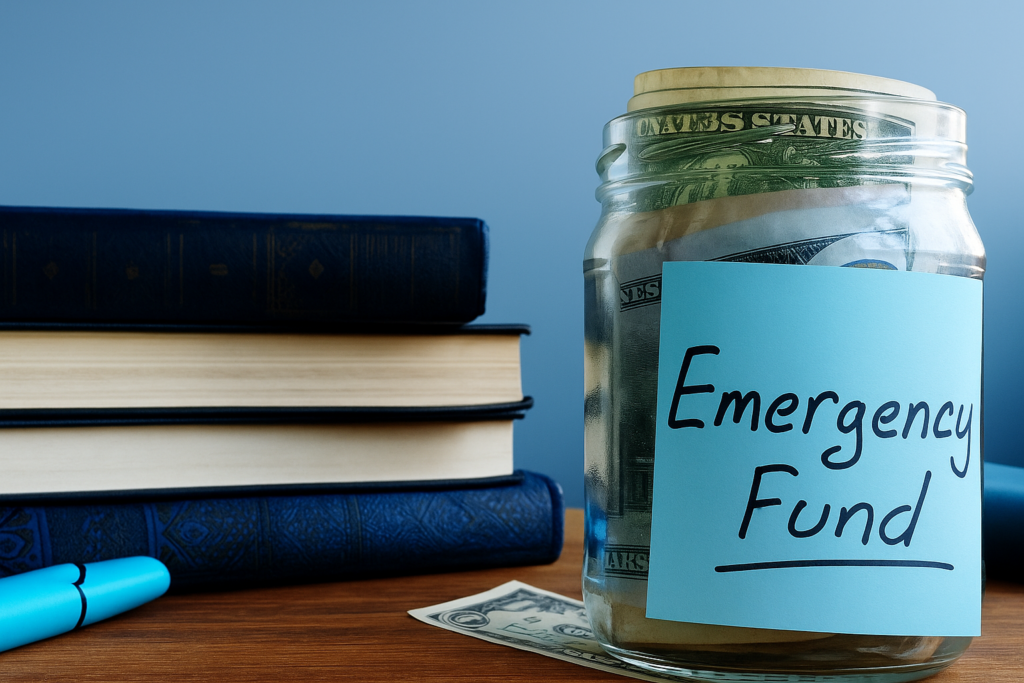
An emergency fund is your buffer. When inflation is eating away at purchasing power, that buffer needs to be stronger and better structured. Target at least 3‑6 months of essential expenses—but instead of keeping all of it idle in a basic savings account (where real return may be negative if inflation is higher than interest), split the fund: keep a portion in a liquid savings account, and another portion in short‑term instruments that offer slightly higher returns (for example fixed deposits or ultra short‑term debt funds) that aim to outpace inflation.
Preparing for Financial Surprises: How to Budget and Build an Emergency Fund Effectively
Also review the fund’s value annually: if your monthly living cost has gone up 5% because of inflation, your target emergency fund must also increase by 5% to maintain the same buffer. Without this adjustment, your “3‑6 months” of cover may actually buy you only ~2.8‑5.7 months in real terms.
Investing Wisely to Beat Inflation:
Inflation erodes savings, so it’s wise to allocate part of your portfolio to asset classes that historically outperform inflation. That might include equities, inflation‑linked bonds, or commodities. While every investment carries risk, staying overly cash‑heavy during inflation means your money can shrink in real value. For example, while India’s consumer inflation averaged ~5% in recent years, holding cash earning only ~3% interest means you’re losing ~2% in real value annually.
Even a modest investment return above inflation compounds over years and helps maintain purchasing power. The message: diversify with an inflation‑aware mindset—seek returns, but align risk tolerance with your goals.
Negotiating Bills and Subscriptions to Save Money:
In inflationary times, costs creep into all corners—utilities, insurance, phone bills, streaming services. A useful habit: review all your recurring subscriptions and bills at least quarterly. Ask service providers for discounts or promotional offers, consider downgrading plans, bundle services (for example phone+internet), or switch providers if better deals exist.
Many times we pay ‘default’ rates that haven’t been renegotiated in years. Given inflation, even small savings (say 5‑10% on a recurring ₹2,000 monthly subscription) accumulate meaningfully over 12 months. These savings free up money for more pressing inflation‑driven needs.
Using Technology and Budgeting Apps to Track Expenses:
One of the best tools in an inflation era is visibility. Budgeting apps help you track where your money is going, identify categories rising faster than expected, alert you when you’ve overshot, and help set realistic targets. For example you can tag “groceries”, “fuel”, “utilities” and monitor monthly change. If you notice your grocery expense rising 8% versus your assumed 5% budgeted inflation adjustment, you can investigate early—change buying patterns, shift brands, or adjust the budget.
Technology also allows you to visualise “real value” of spending: say you look back 12 months—did you pay ₹5,000 for your mobile bill then? Now it’s ₹5,500? That’s a 10% jump—time to act. Staying on top of your finances via tech means you’re reacting proactively rather than being shocked.
Adopting a Frugal Lifestyle Without Feeling Deprived:
Frugality during inflation doesn’t mean sacrificing enjoyment—it means making choices that deliver value. You can guard your spending power by adopting habits like: cooking more at home instead of frequent eating out, using public or shared transport if possible, buying second‑hand or refurbished for non‑essentials, using loyalty points or cashback schemes, choosing local brands where quality is acceptable at lower cost, and delaying major discretionary purchases when the cost has spiked.
The mindset: “smart frugal” not “stingy”. You preserve your freedom and lifestyle, while resisting the creeping impact of inflation.
Long‑Term Financial Planning to Stay Ahead of Inflation:

Inflation isn’t just a short‑term nuisance—it affects long‑term goals. Retirement savings, children’s education, large asset purchases all need adjustment for inflation. For example, if you estimate you need ₹50 lakh in 10 years for a goal and assume 5% inflation, then the real cost in 10 years will be ~₹50 lakh × (1.05)¹⁰ ≈ ₹81.4 lakh.
Planning now means increasing your savings rate or choosing investment vehicles that offer returns above inflation. Review your long‑term plan at least annually: update inflation assumptions, review returns, and adjust your savings contribution so you don’t find your goal under‑funded because inflation was higher than assumed.
FAQs – Budgeting for Inflation
Q1: How often should I revisit my budget during inflationary periods?
👉Ideally quarterly. Price rises can accelerate, so checking every three months keeps you ahead rather than behind.
Q2: Should I avoid cash savings altogether?
👉No—but recognise that holding large sums of cash long term may reduce purchasing power. Use cash for liquidity, but invest serious surplus.
Q3: How much should I increase my budget for inflation?
👉A conservative assumption might be 4‑6% annual inflation. Historical India-average is around 5% annually. But if certain categories (like food or fuel) jump more, you may need higher adjustment.
Q4: Can I ignore discretionary spending until inflation subsides?
👉Better not—because inflation affects essential costs too. Postponing decisions may mean you have to catch up later under worse terms. Adjusting now gives you control.
Q5: What if my income doesn’t rise but inflation is happening?
👉Then you’ll need to trim variable costs, revise your budget, prioritise the essentials, and boost savings or invest where possible to avoid erosion of value.
Conclusion:
Inflation isn’t just a macro‑economic headline—it trickles into your wallet, your grocery basket, your bills and your savings. But the good news is: by budgeting with inflation in mind, you can protect your spending power. You increase your visibility of where money is going, you adjust ahead of time rather than react, you invest and save smartly, and you prioritise needs with clarity. The goal is to feel as financially comfortable as before, even though costs are rising.
So, are you ready to take control, revise your budget, and ensure your spending power stays strong despite inflation?