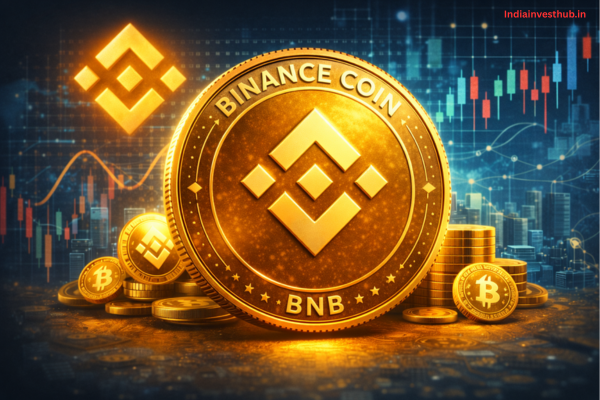
Binance Coin (BNB) has grown from a simple exchange token into one of the most widely used cryptocurrencies in the global digital asset ecosystem. Originally launched to offer trading fee discounts on the Binance exchange, BNB has evolved into a multi-purpose utility token that powers an entire blockchain network, supports decentralized applications, and enables a wide range of financial activities. Today, BNB plays a central role in trading, payments, staking, DeFi platforms, NFTs, and Web3 projects, making it more than just a speculative asset.
For investors and crypto users, understanding how Binance Coin works is essential to evaluating its long-term value and real-world usefulness. Its unique token burn mechanism, expanding ecosystem, and strong adoption have positioned BNB as one of the leading cryptocurrencies by market capitalization. At the same time, factors such as regulation, market volatility, and ecosystem dependence raise important questions about its future.
In this guide, we’ll explore what Binance Coin (BNB) is, how it’s used, the key benefits of holding it, and what the future outlook may look like. Whether you’re a beginner or an experienced investor, this overview will help you decide if BNB deserves a place in your crypto portfolio.
What Is Binance Coin (BNB)?
Binance Coin (BNB) is the native cryptocurrency of the Binance ecosystem, originally created by Binance, the world’s largest cryptocurrency exchange by trading volume. BNB was first issued as an ERC-20 token on Ethereum but later migrated to its own blockchain, now known as BNB Chain.
BNB serves multiple purposes:
- Paying transaction fees
- Powering smart contracts
- Supporting decentralized applications
- Offering exchange benefits
- Acting as a core asset within Binance’s ecosystem
According to Binance’s own disclosures, the platform processes tens of billions of dollars in daily trading volume, and BNB is deeply integrated into nearly every layer of that activity (Source: Binance Research).
How Binance Coin (BNB) Works on the Binance Smart Chain (BSC):
Binance Coin (BNB) plays a foundational role on BNB Chain, which includes Binance Smart Chain (BSC). BSC is a smart-contract blockchain designed to offer:
- Faster transaction speeds
- Lower fees than Ethereum
- Compatibility with Ethereum-based tools
BNB is used to pay gas fees on BSC, similar to how ETH is used on Ethereum. According to blockchain analytics, BSC has handled millions of daily transactions, often exceeding Ethereum’s transaction count during peak periods due to its lower costs (Source: BscScan).
For investors, this matters because high on-chain activity often translates into sustained demand for the native coin that fuels the network.
Key Uses of Binance Coin (BNB) in Trading and Payments:
Binance Coin (BNB) is widely used across Binance’s trading ecosystem. Traders who pay fees using BNB receive discounted trading fees — a feature that continues to drive consistent demand.
Beyond trading:
- BNB is accepted by merchants for payments
- Used for travel bookings, gift cards, and online services
- Integrated into payment platforms and wallets
This real-world utility differentiates BNB from many speculative assets that lack everyday use cases.
Binance Coin (BNB) Tokenomics — Supply, Burns, and Scarcity
Binance Coin (BNB) has a deflationary supply model. Initially, 200 million BNB were created. Binance committed to burning (destroying) BNB tokens regularly until the supply is reduced to 100 million.
BNB burns are funded using a portion of Binance’s profits. According to official data:
- Billions of dollars worth of BNB have already been burned
- Quarterly and real-time burn mechanisms reduce circulating supply
Token burns create artificial scarcity, which can support long-term value if demand remains steady or increases (Source: Binance Burn Transparency Page).
Benefits of Holding Binance Coin (BNB) for Investors:
Binance Coin (BNB) offers several advantages to long-term holders:
- Reduced trading fees on Binance
- Utility across DeFi, NFTs, and Web3
- Exposure to one of the largest crypto ecosystems
- Deflationary tokenomics through burns
From an investor perspective, BNB behaves more like an ecosystem equity than a pure payment coin — its value is closely tied to Binance’s growth and adoption.
Binance Coin (BNB) in DeFi, NFTs, and Web3 Applications:
Binance Coin (BNB) is deeply embedded in the DeFi and Web3 landscape. On BNB Chain:
- Thousands of decentralized apps are live
- DeFi protocols offer lending, borrowing, and yield
- NFT marketplaces mint and trade assets using BNB
At its peak, BNB Chain recorded over $20 billion in total value locked (TVL) across DeFi protocols, highlighting significant ecosystem usage (Source: DeFiLlama).
BNB Staking and Passive Income Opportunities Explained:
Binance Coin (BNB) can be staked to earn rewards through:
- Delegated staking on BNB Chain
- Binance Earn products
- Liquidity pools and DeFi protocols
Staking allows investors to generate passive income while holding BNB, making it attractive to long-term holders who prefer yield alongside potential price appreciation.
Binance Coin (BNB) vs Other Exchange Tokens — How It Compares
Binance Coin (BNB) is often compared to other exchange tokens like:
- OKB
- CRO
- HT
What sets BNB apart is:
- Larger ecosystem scale
- Higher trading volume backing
- Stronger on-chain utility beyond exchange discounts
Most competing exchange tokens lack BNB’s combination of blockchain infrastructure, DeFi adoption, and aggressive token burns.
Risks and Challenges Facing Binance Coin (BNB):
Binance Coin (BNB) is not without risks:
- Regulatory scrutiny on Binance in multiple jurisdictions
- Dependence on Binance’s business performance
- Competition from Ethereum and other smart-contract chains
- Centralization concerns
Regulatory actions against Binance have historically caused short-term price volatility in BNB, which investors must factor into risk management.
Future Outlook of Binance Coin (BNB): Price Potential and Growth Drivers
Binance Coin (BNB) future performance depends on several key drivers:
- Binance’s global expansion and compliance efforts
- Growth of BNB Chain adoption
- Continued token burns
- Expansion into Web3, gaming, and real-world payments
Analysts often view BNB as a blue-chip crypto asset, especially for investors seeking exposure to exchange infrastructure rather than standalone protocols (Source: Messari Crypto Research).
FAQs — Binance Coin (BNB)
Q1: What is Binance Coin (BNB) used for?
👉Binance Coin (BNB) is used for trading fee discounts, payments, staking, gas fees on BNB Chain, and DeFi applications.
Q2: Is Binance Coin (BNB) deflationary?
👉Yes. BNB uses a token burn mechanism to reduce supply over time.
Q3: Can Binance Coin (BNB) generate passive income?
👉Yes. BNB can be staked or used in yield-generating DeFi protocols.
Q4: Is Binance Coin (BNB) risky?
👉Like all cryptocurrencies, BNB carries market and regulatory risk, especially due to its close link with Binance.
Q5: Does Binance Coin (BNB) have long-term potential?
👉Many investors believe its ecosystem utility, burns, and adoption give it strong long-term prospects.
Q6: Can BNB be used outside crypto exchanges?
👉Yes. BNB can be used for payments, travel bookings, gift cards, transaction fees on BNB Chain, DeFi applications, NFTs, and staking across multiple platforms.
Q7: Does BNB have a limited supply?
👉Yes. BNB has a capped supply that is gradually reduced through regular token burns, which permanently remove coins from circulation and help increase scarcity over time.
Conclusion:
Binance Coin (BNB) has evolved far beyond a simple exchange token into a multi-utility asset powering one of the largest blockchain ecosystems in crypto. Its real-world use cases, deflationary tokenomics, DeFi integration, and strong platform backing make it a compelling option for investors seeking ecosystem-driven value rather than pure speculation. Still, regulatory developments and market competition remain key variables to watch closely.
As crypto adoption continues to expand globally, the real question for investors isn’t whether BNB will remain relevant — but how strategically will you position Binance Coin (BNB) within your long-term crypto portfolio?