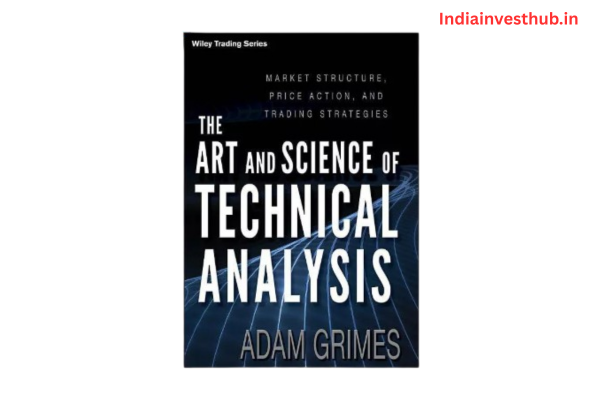
Technical Analysis — it was a cold June evening when Ravi, a young investor from Chennai, closed his laptop after a disappointing trade. Despite having read numerous blogs and watched hours of YouTube videos, he realised that he lacked a systematic understanding of market charts, trends and sentiment. That’s when he discovered a promise: learning technical analysis through the right book could change his trajectory.
At Indiainvesthub, we often meet readers like Ravi who ask the same question: Which is the best book to learn technical analysis in 2025? In this article, we present two strong contenders — Technical Analysis of the Financial Markets by John J. Murphy and A Beginner’s Guide to Charting Financial Markets by Colin Bennett — and help guide you through their overviews, key lessons, strengths, weaknesses, reader experiences, and how we can help you decide.
1) Technical Analysis of the Financial Markets by John J. Murphy: An Overview
Murphy’s book is often described as the “encyclopaedia” of technical analysis. It covers everything from chart basics to inter-market relationships and advanced indicators. Reviewers point out that it “covers a comprehensive range of topics, making it suitable for both beginners and experienced investors”.

🔗 Buy on Amazon
Price Range in India: ₹2,099 – ₹2,999
Key Lessons:
- Market prices reflect the psychology of participants, not pure randomness.
- Use multiple technical indicators rather than relying on a single tool.
- Charting techniques like trend lines, support/resistance, candlestick patterns are foundational.
- Understanding relationships across different asset classes (inter-market analysis) provides broader insight.
Strengths:
- Extremely comprehensive and broad in scope (500+ pages) so you get a deep toolkit.
- Written in a clear, accessible style despite the depth.
- Highly recommended by both beginners and seasoned traders. > “If you read this book cover to cover 3 times you will know as much as 95 % of any market technician out there.”
Weaknesses:
- The length and detail can feel overwhelming for someone just starting. Reviewers note it may be “quite overwhelming for beginners”.
- Because it was first published decades ago, some examples may feel dated (though core principles remain relevant).
Readers’ Experiences:
👉“This book transformed the way I view the markets. Murphy’s explanations of trend analysis and chart patterns made it much easier to apply technical analysis in real trading.”
👉“Even after years of trading, I still refer back to Murphy’s book. The depth and clarity of examples make it a timeless resource.”
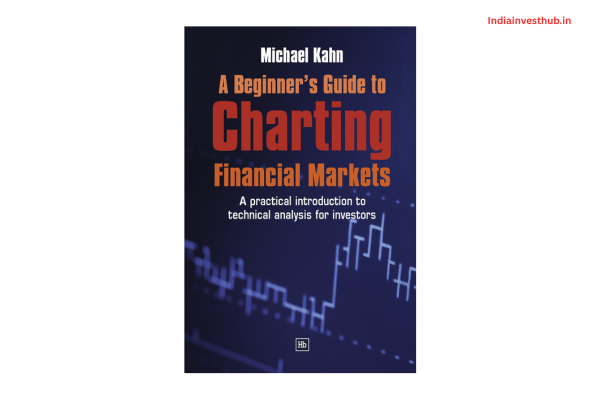
2) A Beginner’s Guide to Charting Financial Markets by Colin Bennett: An Overview
This book positions itself as a simpler, more accessible entry into charting and technical analysis. It emphasises practical chart reading over heavy theory. “This book offers a clear and concise introduction to technical analysis, making…” readers’ entry smoother.
🔗 Buy on Amazon
Price Range in India: ₹1,058 – ₹1,958
Key Lessons:
- How to interpret basic charts: price action, trend lines, volume.
- How to apply chart reading to real stocks and market behaviour — focusing on understanding “what the market or individual stock is doing”.
- Practical emphasis: avoid getting lost in complex indicators before mastering chart basics.
Strengths:
- Simpler and friendlier for beginners with less intimidating theory overhead.
- Focused on chart reading, which is a good practical foundation.
- Shorter, easier to digest.
Weaknesses:
- Less deep coverage of advanced topics compared to Murphy’s book (so you may need to move on to another after using it).
- Fewer advanced indicator techniques or inter-market analysis; some readers may outgrow it sooner.
Readers’ Experiences:
👉“As someone new to trading, this book was perfect. The explanations of candlesticks and basic charting concepts were clear and easy to follow, helping me build confidence in analyzing the markets.”
👉“I loved the hands-on approach. Being able to apply what I learned immediately to real charts made the concepts stick and made me feel prepared to start trading.”
Top 10 Technical Analysis Books Every Trader and Investor Should Read
Technical Analysis of the Financial Markets vs A Beginner’s Guide to Charting Financial Markets – Comparison Table
Feature | Murphy – Technical Analysis of the Financial Markets | Bennett – A Beginner’s Guide to Charting Financial Markets |
|---|---|---|
Image | 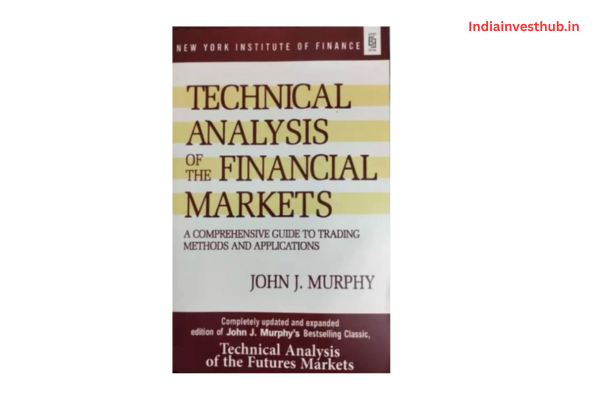 | |
Scope | Very broad: covers charting, indicators, inter-markets, futures, stock rotations. | Narrower: focus on basic chart reading and practical entry. |
Depth | High. Suitable for intermediate to advanced once you digest. | Moderate. Best for those new to technical analysis. |
Readability (beginners) | More challenging due to length and depth. | More approachable for beginners. |
Future learning potential | High: offers tools that last. | Good as foundation; may need follow-up books for advanced study. |
Best suited for | Readers who are serious about building a long-term technical toolkit. | Readers who are just starting and want to understand chart basics. |
User Ratings | 4.4 Out of 5 | 4.5 Out of 5 |
Buy |
Top 5 Best Books to Learn Fundamental Analysis
FAQs – Technical Analysis of the Financial Markets vs A Beginner’s Guide to Charting Financial Markets
Q1: Can I start with Murphy’s book even if I’m a complete beginner?
👉Yes, you can, but you might proceed more comfortably if you’re willing to take your time and revisit chapters. It offers immense value, but its depth can be daunting.
Q2: Will Bennett’s book prepare me for advanced trades?
👉It will give you a solid foundation in charting and price-action reading, but you will likely need additional, more advanced texts (such as Murphy’s) to delve into full technical analysis.
Q3: Is technical analysis still relevant in 2025 despite high-frequency trading and algorithmic markets?
👉Yes — the underlying principles of price behaviour, trend, volume, support/resistance still hold. Murphy’s book itself emphasises that market prices reflect psychology and structure, not just noise.
Conclusion:
So, Which Book Should You Choose?
- If you are just starting out and feel overwhelmed by charting, go with Bennett’s A Beginner’s Guide to Charting Financial Markets.
- If you already have some familiarity with charts or plan to build a serious, long-term technical toolkit, choose Murphy’s Technical Analysis of the Financial Markets.
- If time allows, begin with Bennett for foundation, then progress to Murphy for depth.
- Use support from platforms like Indiainvesthub to contextualise what you learn, especially for Indian stocks and markets.
are you ready to read not just the charts, but the psychology behind the markets?