

In the bustling streets of Tokyo, a seasoned rice trader named Munehisa Homma observed the intricate dance of market psychology through the flickering shadows of candlestick charts. His insights, passed down through generations, were brought to the Western world by Steve Nison, who unveiled the profound power of Japanese candlestick charting techniques. This revelation transformed the way traders perceive market movements, offering a visual language that speaks volumes about market sentiment.
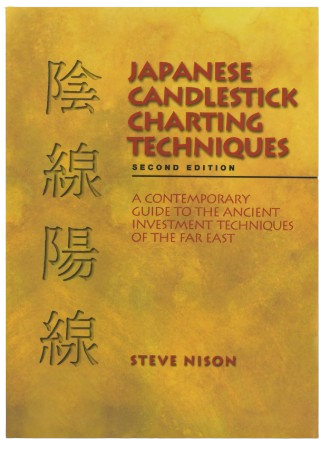
For those eager to delve into this transformative approach, “Japanese Candlestick Charting Techniques” by Steve Nison serves as an indispensable resource. This guide not only introduces the foundational patterns but also integrates them with Western technical analysis tools, providing a holistic view of market dynamics.
Introduction to Japanese Candlestick Charting:
Japanese candlestick charts, originating from 17th-century Japan, offer a unique perspective on market behavior. Unlike traditional bar charts, candlesticks provide a visual representation of price movements within a specific time frame, highlighting open, high, low, and close prices. This method allows traders to quickly assess market sentiment and potential price directions.
Steve Nison’s work in the late 1980s and early 1990s was pivotal in introducing these techniques to Western traders. His book, “Japanese Candlestick Charting Techniques,” has since become a cornerstone for traders seeking to understand and apply candlestick patterns in their trading strategies.
🔗 Buy on Amazon
Price Range in India: ₹3,599 – ₹3,999
Basics of Candlestick Construction:
A single candlestick consists of a body and shadows (or wicks). The body represents the range between the open and close prices, while the shadows indicate the highest and lowest prices during the time frame. The color of the body—typically white (or green) for a close higher than the open and black (or red) for a close lower than the open—provides immediate insight into market direction.
Understanding the construction of these candlesticks is crucial, as they form the building blocks for more complex patterns that signal potential market movements.
Understanding Market Psychology:
Candlestick patterns are not just technical indicators; they encapsulate the collective emotions and psychology of market participants. Patterns like Doji, Engulfing, and Hammer reflect the balance between buying and selling pressures, offering clues about potential reversals or continuations in the market.
By studying these patterns, traders can gain insights into market sentiment and make more informed decisions.
Single Candlestick Patterns:
Single candlestick patterns are the simplest form of candlestick analysis. Some notable single candlestick patterns include:
- Doji: Represents indecision in the market, where the open and close prices are virtually the same.
- Hammer: Indicates potential bullish reversal after a downtrend.
- Hanging Man: Suggests potential bearish reversal after an uptrend.
These patterns, while simple, can provide valuable insights into market sentiment and potential price movements.
Dual (Two-Candle) Patterns:
Two-candle patterns involve the interaction between two consecutive candlesticks. Some significant two-candle patterns include:
- Bullish Engulfing: A small red candle followed by a larger green candle, indicating potential bullish reversal.
- Bearish Engulfing: A small green candle followed by a larger red candle, suggesting potential bearish reversal.
These patterns often signal a shift in market sentiment and can be powerful indicators for traders.
Triple (Three-Candle) Patterns:
Three-candle patterns offer more complex insights into market behavior. Some notable three-candle patterns include:
- Morning Star: A three-candle pattern signaling a potential bullish reversal.
- Evening Star: A three-candle pattern indicating a potential bearish reversal.
These patterns provide a more nuanced understanding of market dynamics and can enhance trading strategies.
Continuation Patterns:
Continuation patterns suggest that the prevailing trend will continue after a brief consolidation. Some common continuation patterns include:
- Flags and Pennants: Indicate short-term consolidation before the trend resumes.
- Triangles: Symmetrical, ascending, or descending triangles that suggest a continuation of the current trend.
Recognizing these patterns allows traders to anticipate the continuation of trends and make timely decisions.
Reversal Patterns:
Reversal patterns signal a change in the direction of the prevailing trend. Some significant reversal patterns include:
- Head and Shoulders: Indicates a potential bearish reversal after an uptrend.
- Inverse Head and Shoulders: Suggests a potential bullish reversal after a downtrend.
Identifying these patterns can help traders anticipate market turning points.
Top 10 Technical Analysis Books Every Trader and Investor Should Read
Advanced Pattern Analysis:
Advanced pattern analysis involves combining multiple candlestick patterns and other technical indicators to gain a deeper understanding of market behavior. Techniques such as Fibonacci retracement, moving averages, and volume analysis can enhance the accuracy of pattern recognition and improve trading outcomes.
Integrating Candlestick Patterns with Technical Tools:
While candlestick patterns provide valuable insights, integrating them with other technical tools can enhance their effectiveness. Indicators like Relative Strength Index (RSI), Moving Average Convergence Divergence (MACD), and Bollinger Bands can provide additional confirmation and improve the reliability of trading signals.
Best Books to Learn Fundamental Analysis
Trading Strategies Using Candlestick Patterns:
Developing effective trading strategies involves combining candlestick patterns with sound risk management practices. Strategies may include setting stop-loss orders, determining position sizes, and diversifying portfolios to mitigate risk. Backtesting strategies using historical data can also help assess their effectiveness before applying them in live markets.
Case Studies and Practical Applications:
Real-world case studies illustrate the application of candlestick patterns in various markets. Analyzing historical charts and identifying patterns can provide valuable lessons and enhance trading skills. Practical applications include using candlestick patterns to time entries and exits, set price targets, and manage risk.
Tools and Resources for Mastering Candlestick Patterns:
Numerous tools and resources are available to help traders master candlestick patterns. Charting software, online courses, and trading communities can provide valuable support and education. Additionally, practicing with demo accounts and paper trading can help build confidence and experience without risking real capital.
FAQs – Japanese Candlestick Charting Techniques by Steve Nison
Q1: What are Japanese candlestick charts?
👉Japanese candlestick charts are a visual way to represent price movements in financial markets over a specific time period. Each candlestick shows the open, high, low, and close prices, helping traders quickly understand market sentiment and potential trends.
Q2: Who is Steve Nison?
👉Steve Nison is a renowned technical analyst who introduced Japanese candlestick charting to Western traders. His book, Japanese Candlestick Charting Techniques, has become a foundational resource for learning and applying candlestick patterns in trading.
Q3: What makes candlestick patterns useful for trading?
👉Candlestick patterns reveal market psychology by showing the balance between buying and selling pressures. Recognizing these patterns can help traders anticipate trend reversals, continuations, and potential price movements.
Q4: How many candlestick patterns can I learn from Steve Nison’s book?
👉Steve Nison’s techniques cover dozens of patterns, including single, dual, and triple candlestick formations. Learning these patterns can significantly improve your ability to read charts and make informed trading decisions.
Q5: Can candlestick patterns be used with other technical indicators?
👉Yes! For more reliable trading signals, candlestick patterns can be combined with indicators like RSI, MACD, Bollinger Bands, and moving averages.
Conclusion:
Mastering Japanese candlestick charting techniques can significantly enhance a trader’s ability to interpret market movements and make informed decisions. By understanding and applying these patterns, traders can gain a deeper insight into market psychology and improve their trading outcomes.
Are you ready to unlock the power of candlestick charting in your trading journey?


