Financial Freedom begins with a story: imagine Rohan, a 32‑year‑old software professional in Bengaluru, waking up one morning to a stack of missed calls and notification alerts. His credit card payment had bounced yet again, his personal loan EMIs were looming, and on top of that he received a polite but firm message from his sibling asking for help with their own mounting debt. He realized that despite a good income, he was trapped in a cycle of borrowing and repayment and had lost sleep.
One evening, he attended a free financial‑education workshop and heard the phrase: “You don’t escape debt from income; you escape debt from behaviour.” Something clicked. He decided to turn his life around, and within 24 months he cleared all high‑interest debts and set up a system for the future. If you are reading this, you too want to know Proven Tactics for Debt‑Free Living: Fast‑Track Your Way to Financial Freedom.
In India the household debt level has climbed to 42.9 % of GDP as of June 2024, up from about 36.6 % in June 2021. Globally, in the United States household debt was about 61.7 % of GDP in December 2024. These are clear signals that many people are carrying debt longer than desired, and breaking free is not just about avoiding borrowing—it’s about following serious, proven tactics.
If you want to know Proven Tactics for Debt‑Free Living: Fast‑Track Your Way to Financial Freedom, here’s how you can help yourself in a structured way — step by step:
Understanding the Debt Cycle: Why It’s So Hard to Break Free
Debt often traps people not because they took one large loan, but because they slide into a cycle: borrow, pay minimums, borrow again, carry high interest, and feel powerless. When you simply pay the minimum, much of your payment goes to interest, your principal barely moves, and you remain in debt long‑term. Many households borrow for consumption rather than investment, which further adds to the burden. Recognizing that pattern — that you are servicing the interest more than reducing principal — is the first step toward financial freedom.
Building a Realistic Budget: The Foundation of a Debt‑Free Life
To escape that cycle, you need a budget that truly reflects your income, unavoidable expenses, and debt‑servicing obligations. This means listing every source of income, every fixed expense (rent, utilities, insurance), and every debt payment. Then you allocate a fixed portion toward “extra debt payment” — anything you can above the minimum — while still giving yourself a reasonable amount for living and a small “fun fund” so you don’t rebel. The budget becomes your blueprint. Without it, you’ll always feel you’re “living paycheck to paycheck” and can’t gain traction toward financial freedom.
Prioritizing Debts: Snowball vs Avalanche Method
Once you have your budget and know how much extra you can put toward debt each month, the next smart tactic is to choose a repayment strategy. The two most widely used approaches are:
- Snowball method: You pay off your smallest debt first (regardless of interest rate), get the sense of accomplishment, then roll that freed‑up payment into the next smallest.
- Avalanche method: You pay off the debt with the highest interest rate first (regardless of size), which mathematically saves you the most.
Both work, but your focus should be on consistently paying more than the minimum. Deciding between these methods (and sticking to it) is a major step toward financial freedom.
Cutting Hidden Expenses That Drain Your Wallet:
A budget will reveal sneaky “money leaks” — subscription services you don’t use, daily takeaway coffees, inflated recurring bills, or high‑interest credit card spending for non‑essentials. Reducing or eliminating these frees up funds you can redirect toward debt repayment. Once you redirect even a modest sum—say ₹2,000 a month in India’s context—over a year that’s ₹24,000 extra going to debt. Over several years, this adds up and accelerates you toward being debt‑free.
Increasing Your Income Streams: Side Hustles and Passive Income Ideas
If you want to fast‑track your way to financial freedom, increasing income is just as important as cutting expenses. Consider side hustles (freelance work, tutoring, online gigs), or even small passive‑income ideas (renting out a room, selling digital goods). Extra income means extra cash to apply specifically to debt. This accelerates reduction of principal and shortens the time to being debt‑free. The key is that the extra income should funnelling directly into your debt‑repayment machine—not just spending more because you earn more.
Smart Credit Card Management: Avoiding High‑Interest Traps

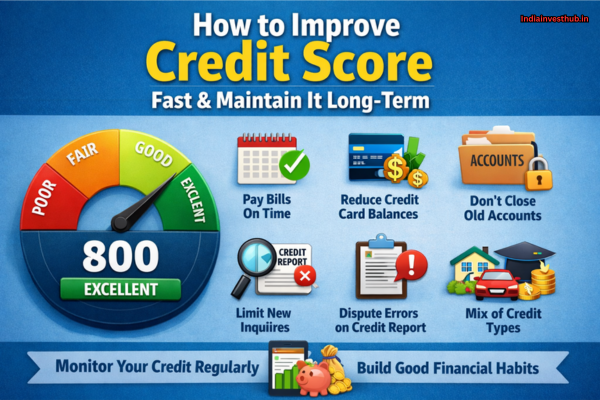
Credit cards are convenient—but if mismanaged, they’re one of the most dangerous debt traps. High interest, rotating balances, and minimal payments mean you can pay for years without reducing principal much. The tactic: use credit cards only when you can pay the full balance each month, treat them like charge cards, disable one for “just emergencies,” and keep your utilization low (under 30 % of limit). If you carry balances, shift them to lower‑interest options or focus on paying them aggressively. That smart behaviour takes you closer to financial freedom.
Credit Card Hacks: Maximizing Rewards and Minimizing Risk
Negotiating with Creditors: How to Lower Interest Rates and Payments
Many people assume their debt terms are fixed—but often your lender will negotiate. If you contact your credit‑card issuer or bank, explain you’re consolidating debt, ask for a lower rate or waive fees, switch to a longer term for liquidity (though that means more interest total), or ask for hardship arrangements if things are tight. Even a few percentage points off the interest rate can save you thousands over time. These negotiated savings are real and part of the tactics people who achieve financial freedom use.
Emergency Funds: Your Safety Net Against Future Debt

To not slip back into debt, you need to build a cushion. If you pay off debt but then one medical emergency or job loss hits, you may borrow again and erase your progress. So alongside your repayment plan, begin building an emergency fund — typically 3‑6 months’ worth of living expenses. This ensures you don’t have to resort to high‑interest borrowing in the future, keeping you on the path of debt‑free living and financial freedom.
Preparing for Financial Surprises: How to Budget and Build an Emergency Fund Effectively
Mindset Shift: Developing Financial Discipline and Debt‑Free Habits
This is often the “invisible” part of debt‑free tactics but is perhaps the most powerful. You must shift from “how much can I borrow/charge?” to “how much can I free up and pay off?”. Celebrate small wins, track your progress, visualise being debt‑free, and treat debt‑repayment as a normal part of your lifestyle rather than a temporary burden. Building discipline — automatic payment, no new high‑interest borrowing, and treating debt‑free living as your identity — keeps you on track to long‑term financial freedom.
Long‑Term Financial Freedom Plan: Staying Debt‑Free for Life
Reaching debt‑free living is just the beginning. The ultimate goal is financial freedom, which means you’re not only free of debt, but also you’re in control of your money, your income covers your lifestyle plus savings/investments, and you’re protected against shocks. Use the money you freed from debt payments and redirect it into investments and assets that grow (mutual funds, index funds, real estate, etc.). Periodically review your budget, keep your emergency fund topped up, maintain diversification of income, avoid creeping debt, and keep your financial freedom mindset alive. This long‑term plan means you don’t just escape debt once—you stay free.
Conclusion:
If you want to know Proven Tactics for Debt‑Free Living: Fast‑Track Your Way to Financial Freedom, then the roadmap is clear: understand the debt cycle, build a realistic budget, prioritize and pay down debts smartly, cut hidden expenses, boost your income, manage credit wisely, negotiate with creditors, build an emergency fund, adopt a disciplined mindset, and craft a long‑term plan for staying free. The statistics show we live in a world where debt is prevalent—and so the stakes are real. But by acting intentionally and consistently, you can shift from being burdened to being free.
Are you ready to take those first steps toward your financial freedom?