Emergency Fund — two simple words that can make the difference between financial peace and panic. Imagine this: Ramesh, a 32-year-old software engineer from Bengaluru, had just started his dream job when an unexpected medical emergency drained his savings within a week. He realized too late that having an Emergency Fund isn’t optional — it’s essential. According to a 2023 Reserve Bank of India (RBI) report, nearly 63% of Indian households face financial stress when confronted with sudden expenses such as medical bills or job loss. This story isn’t unique; it reflects how unprepared many are for life’s financial surprises. That’s why understanding how to budget and build an emergency fund effectively is one of the smartest steps toward true financial security.
Understanding Financial Surprises and Why They Matter:
Financial surprises are events that catch us off guard — a sudden car repair, a medical emergency, or a layoff. These moments test our financial resilience. In India, the National Statistical Office (NSO) reported that about 75% of urban households would struggle to cover expenses for more than three months without income. This highlights the importance of Emergency Funds, which act as a financial safety net. Without one, you may be forced to rely on credit cards or personal loans, pushing you deeper into debt. Recognizing that surprises will come — and preparing for them — is the foundation of financial wellness.
The Importance of a Solid Emergency Fund:
An Emergency Fund ensures that your financial goals stay on track, even when life throws a curveball. It shields your long-term investments, prevents panic borrowing, and brings emotional peace. Think of it as self-insurance against life’s unpredictabilities.
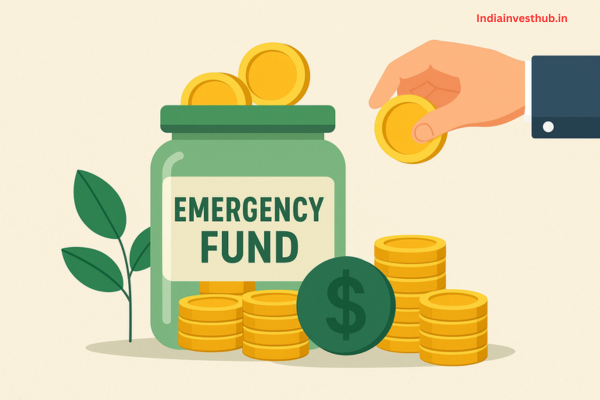
According to S&P Global’s Financial Literacy Survey, nearly 76% of Indians lack a dedicated emergency corpus, leaving them vulnerable to economic shocks. A solid fund acts as your buffer, providing confidence to face uncertain times — from health crises to sudden home repairs — without derailing your finances.
Assessing Your Current Financial Situation:
Before creating an Emergency Fund, it’s essential to evaluate your financial health. Start by listing your income sources, monthly expenses, and outstanding debts. Identify non-essential spending patterns — dining out, subscriptions, or impulse shopping — that can be redirected into savings.
Use the 50/30/20 budgeting rule:
- 50% for essentials (rent, groceries, utilities)
- 30% for wants (entertainment, dining)
- 20% for savings and debt repayment
This simple framework helps you determine how much you can realistically allocate to your emergency savings every month.
The Art of Financial Balance: Differentiating Between Needs and Wants
Setting Realistic Financial Goals:
Every successful financial plan starts with clear goals. For an Emergency Fund, aim for 3 to 6 months of living expenses. However, this depends on your lifestyle, job stability, and family needs.
For instance:
- A single professional with no dependents might target 3 months of expenses.
- A family with children or a single income source may need 6–9 months.
Set SMART goals — Specific, Measurable, Achievable, Relevant, and Time-bound. Example: “I’ll save ₹50,000 in 12 months by contributing ₹4,200 monthly.” This keeps you motivated and accountable.
The Basics of Smart Budgeting:
Budgeting isn’t about restriction; it’s about control. A well-planned budget allows you to live comfortably today while preparing for tomorrow. Use digital tools like Walnut, Money Manager, or Google Sheets to track expenses automatically.
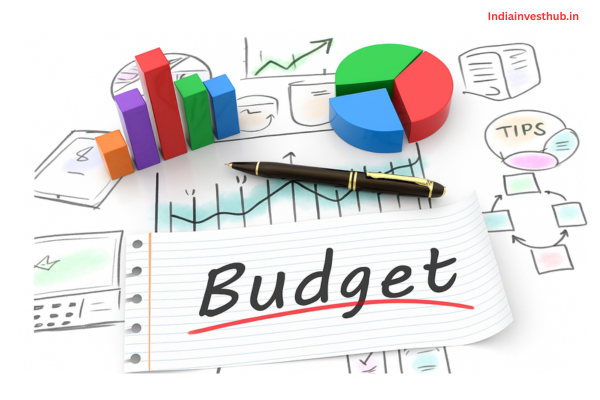
Here’s how to make your budgeting smarter:
- Categorize expenses into fixed, variable, and discretionary.
- Review and adjust monthly.
- Automate bill payments to avoid penalties.
- Set aside savings at the beginning of each month, not the end.
By mastering budgeting, you free up funds that can be directed into your Emergency Fund regularly.
How Much Should You Save in an Emergency Fund?
The size of your Emergency Fund should reflect your monthly living costs and lifestyle. Calculate your essential expenses — rent, food, utilities, insurance, EMIs — and multiply that by the number of months you want coverage for.
Health Insurance
Term Life Insurance
Example:
If your essential monthly expenses total ₹40,000, then:
- 3 months = ₹1.2 lakh
- 6 months = ₹2.4 lakh
For freelancers or those with variable incomes, it’s wiser to aim for 9–12 months of savings to cushion irregular earnings. The goal isn’t to save it all overnight — it’s to stay consistent.
Practical Ways to Build an Emergency Fund:
Building an Emergency Fund doesn’t require drastic lifestyle changes; it’s about small, steady steps:
- Automate Savings: Set up an auto-transfer from your salary account to a separate savings account right after payday.
- Cut Unnecessary Costs: Reduce streaming subscriptions, dining out, or impulse purchases.
- Use Bonuses Wisely: Direct part of your annual bonus or tax refund to your fund.
- Sell Unused Items: Declutter and earn extra income through platforms like OLX or Quikr.
- Start a Side Gig: Freelancing or part-time work can accelerate savings growth.
Consistency is the key. Even ₹500–₹1,000 a week adds up over time.
Where to Keep Your Emergency Savings:
The best place for your Emergency Fund is where it’s both accessible and safe. Avoid locking it in risky investments.
Ideal options include:
- High-Interest Savings Accounts: Provides easy access and moderate returns.
- Liquid Mutual Funds: Offer slightly higher returns with quick withdrawal.
- Recurring Deposits (RDs): Encourage disciplined saving with predictable returns.
Keep the fund separate from your regular account to resist the temptation of dipping into it. Liquidity and safety should always outweigh high returns for this specific fund.
Avoiding Common Budgeting and Saving Mistakes:
Even the best-intentioned savers make mistakes when building an Emergency Fund. Be mindful of these pitfalls:
- Mixing emergency funds with regular savings – always separate them.
- Overestimating income or underestimating expenses – be realistic.
- Withdrawing for non-emergencies – vacations or gadgets don’t count.
- Ignoring inflation – update your savings goal every year to maintain real value.
Financial preparedness is not a one-time effort but an evolving process.
Maintaining and Growing Your Financial Cushion:
Once you’ve built your Emergency Fund, the next step is maintaining it. Review your fund every six months and top it up when expenses rise. If you withdraw from it, make replenishing a top priority.
As your financial situation improves, consider channeling surplus funds into long-term investments like index funds, PPF, or SIP plans. But remember — the emergency fund always comes first. It’s your foundation for sustainable financial growth.
Psychological Benefits of Financial Preparedness:
Having an Emergency Fund isn’t just about numbers — it’s about peace of mind. Studies by the American Psychological Association (APA) show that financial stress is one of the top causes of anxiety, and individuals with a financial cushion report higher well-being and confidence.
Knowing you’re prepared for the unexpected reduces fear and builds resilience. You start focusing on opportunities instead of worrying about “what if.” Financial preparedness transforms uncertainty into empowerment.
FAQs – Emergency Fund
Q1: How soon should I start building an emergency fund?
👉Immediately. The earlier you begin, the easier it becomes to reach your target through small, consistent contributions.
Q2: Can I invest my emergency fund?
👉Avoid high-risk investments. Keep it liquid — savings accounts or liquid funds work best.
Q3: What qualifies as an emergency?
👉Medical emergencies, job loss, or essential home repairs. Non-essentials like vacations or new gadgets do not qualify.
Q4: Should I use a credit card as a backup?
👉Credit cards may help temporarily, but relying on debt defeats the purpose of financial security.
Q5: How do I stay motivated to save?
👉Set milestones, celebrate small wins, and track your progress visually using apps or charts.
Conclusion:
An Emergency Fund is your financial shield against life’s unexpected challenges — whether it’s a medical emergency, sudden job loss, or urgent home repair. It gives you stability, peace of mind, and the power to face uncertainties without falling into debt. Building and maintaining this fund takes discipline and planning, but the long-term security it provides is invaluable. Start small, stay consistent, and make it a non-negotiable part of your financial strategy.
Are you ready to take the first step toward building your emergency fund and securing your financial future?